Crossing the Ditch to the Red Centre: The Ultimate Kiwi Guide to Uluru
For New Zealanders looking for a holiday that offers profound cultural depth, staggering natural beauty, and a complete departure from the familiar, crossing the ditch to Australia's Red Centre is a must-do. Here's everything you need to know to plan your ultimate trip.
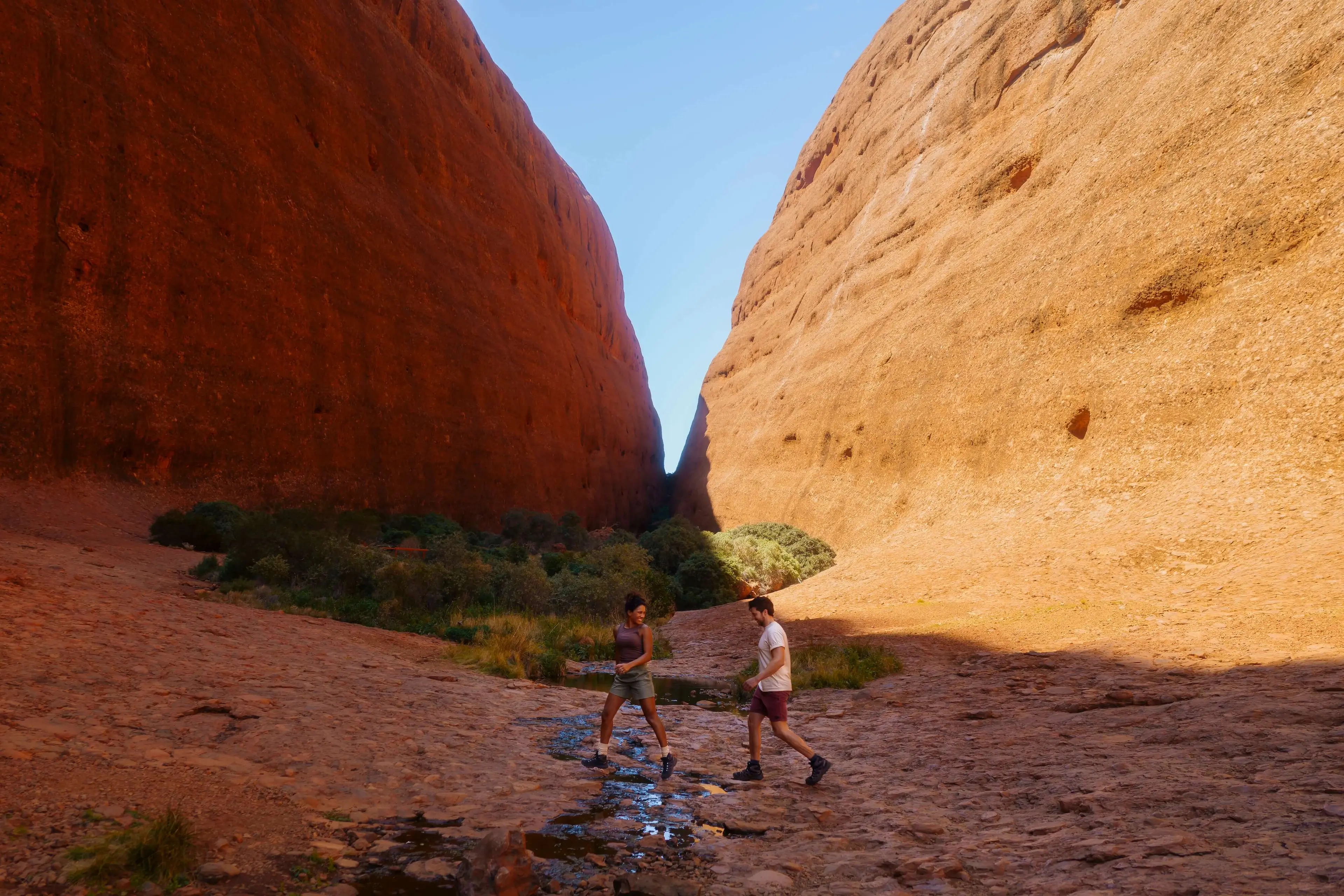
If you're used to the snow-capped peaks of the South Island, or the rolling green hills of the North in New Zealand, the Red Centre will feel like stepping onto another planet. Swapping the Land of the Long White Cloud for the vast red centre of the Australian Outback is unforgettable transition.
Uluru is not just a giant rock; it's the beating, spiritual heart of Australia. For New Zealanders looking for a holiday that offers profound cultural depth, staggering natural beauty, and a complete departure from the familiar, crossing the ditch to Australia's Red Centre is a must-do. Here's everything you need to know to plan your ultimate trip.

The Short Haul: Getting Here
While it feels like a world away, getting to Uluru from New Zealand is surprisingly easy. The journey is broken into two easy steps:
Step 1: The Trans-Tasman Hop
You will first need to fly from your local international hub (Auckland, Wellington or Christchurch) to an eastern Australian gateway. Most travellers route through Sydney (SYD), Melbourne (MEL) or Cairns (CNS).
Step 2: The Domestic Connection
From your gateway city, you will need to catch a domestic flight to Ayers Rock Airport (AYQ). These routes are regularly serviced by Jetstar and Qantas.

Timing Your Trip: Beating the Heat
Let's be honest: a scorching summer day in Auckland is basically a mild spring morning in the Red Centre. The outback climate is extreme, so timing your visit is crucial.
May to September (Cooler Months)
This is the ideal time to visit. You will experience crisp, clear days perfect for hiking, and chilly nights that are brilliant for stargazing. Bring a warm jacket, as desert nights drop closer to freezing than you might expect!
October to April (Warmer Months)
The heat during these months is intense, often soaring well above 35°C. If you visit during summer, you must plan your activities for first light and spend the middle of the day retreating to the pool or an air-conditioned gallery.
For the most up-to-date conditions during your stay, check the 7-day forecast below.
Where to Stay: The Yulara Hub
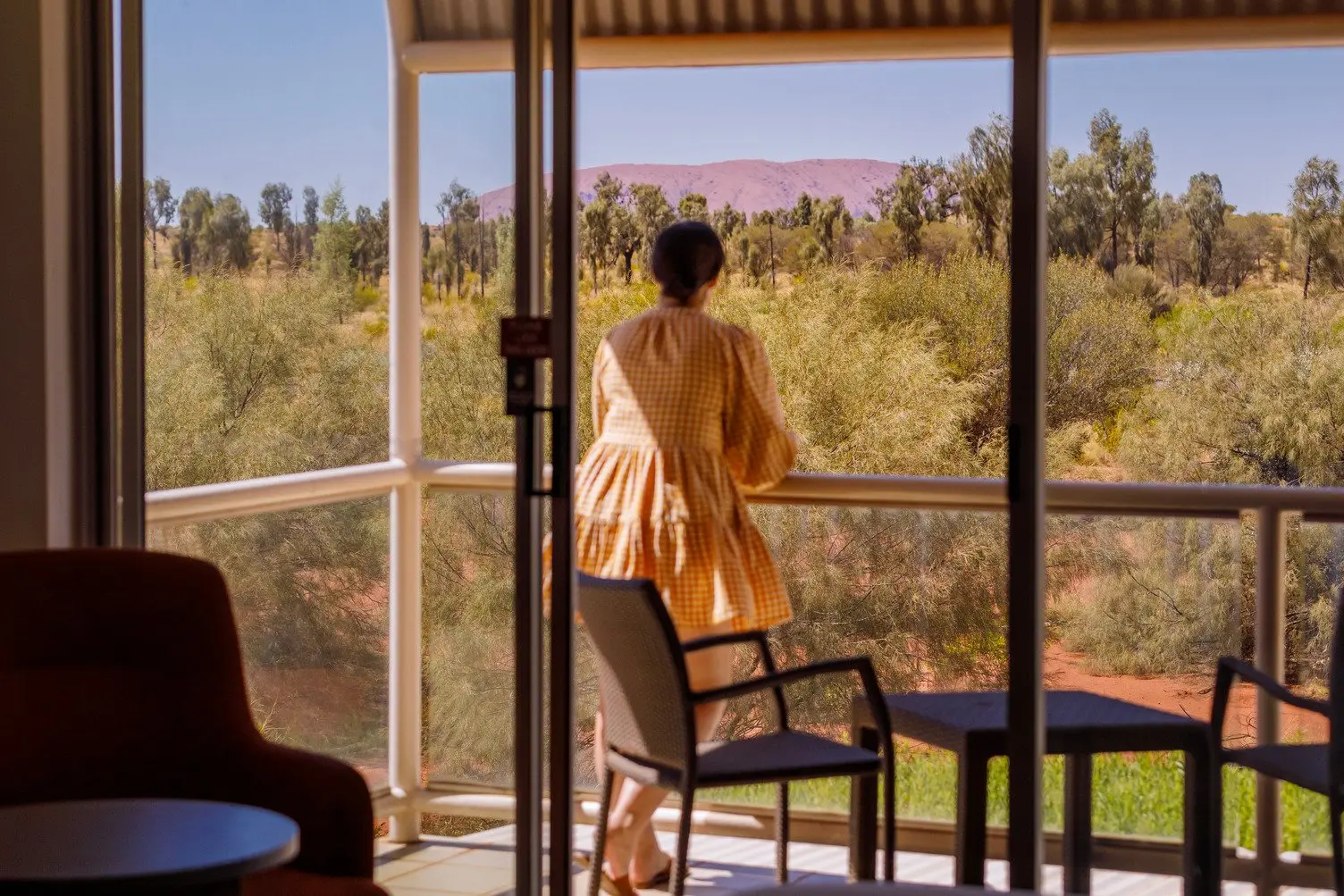
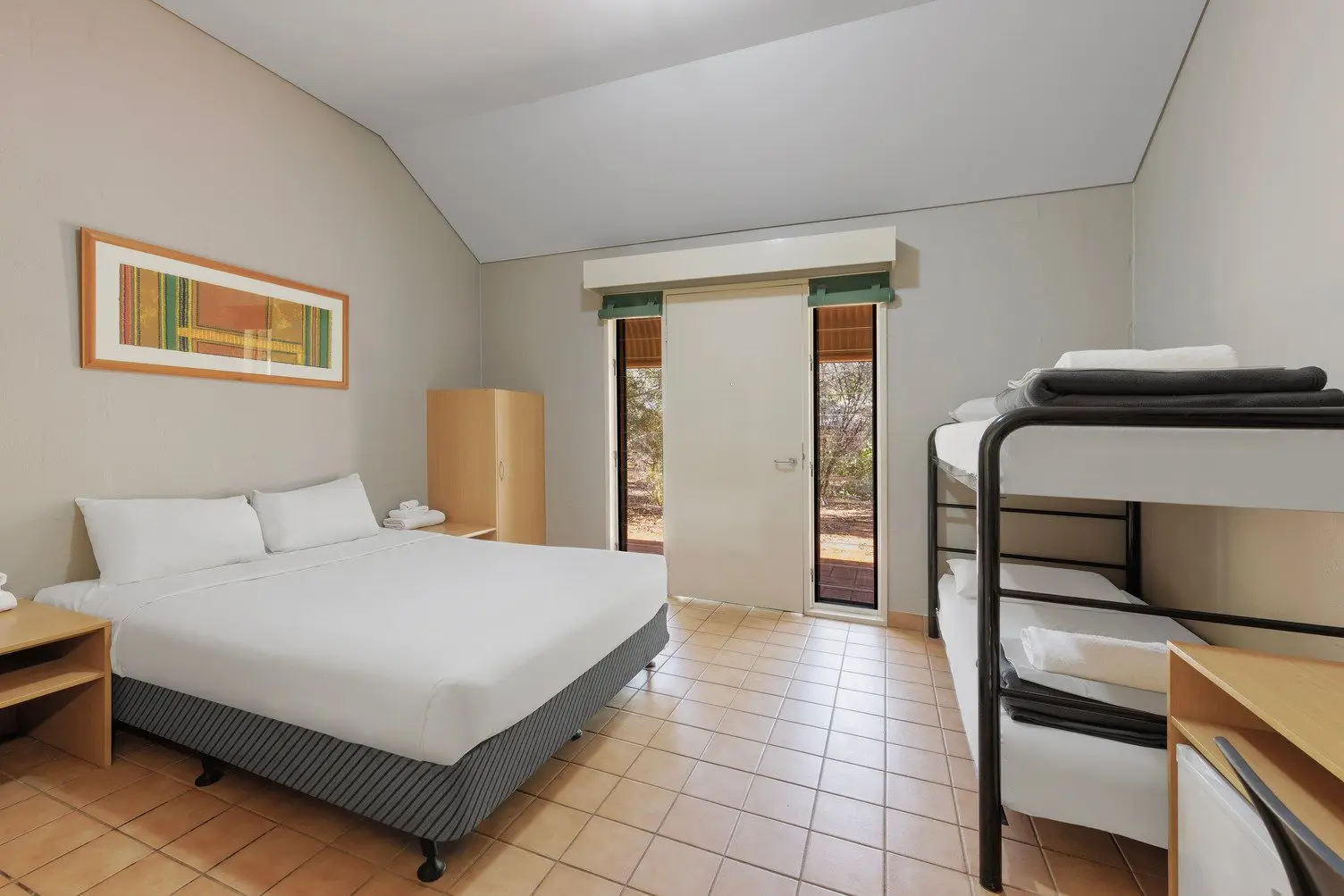
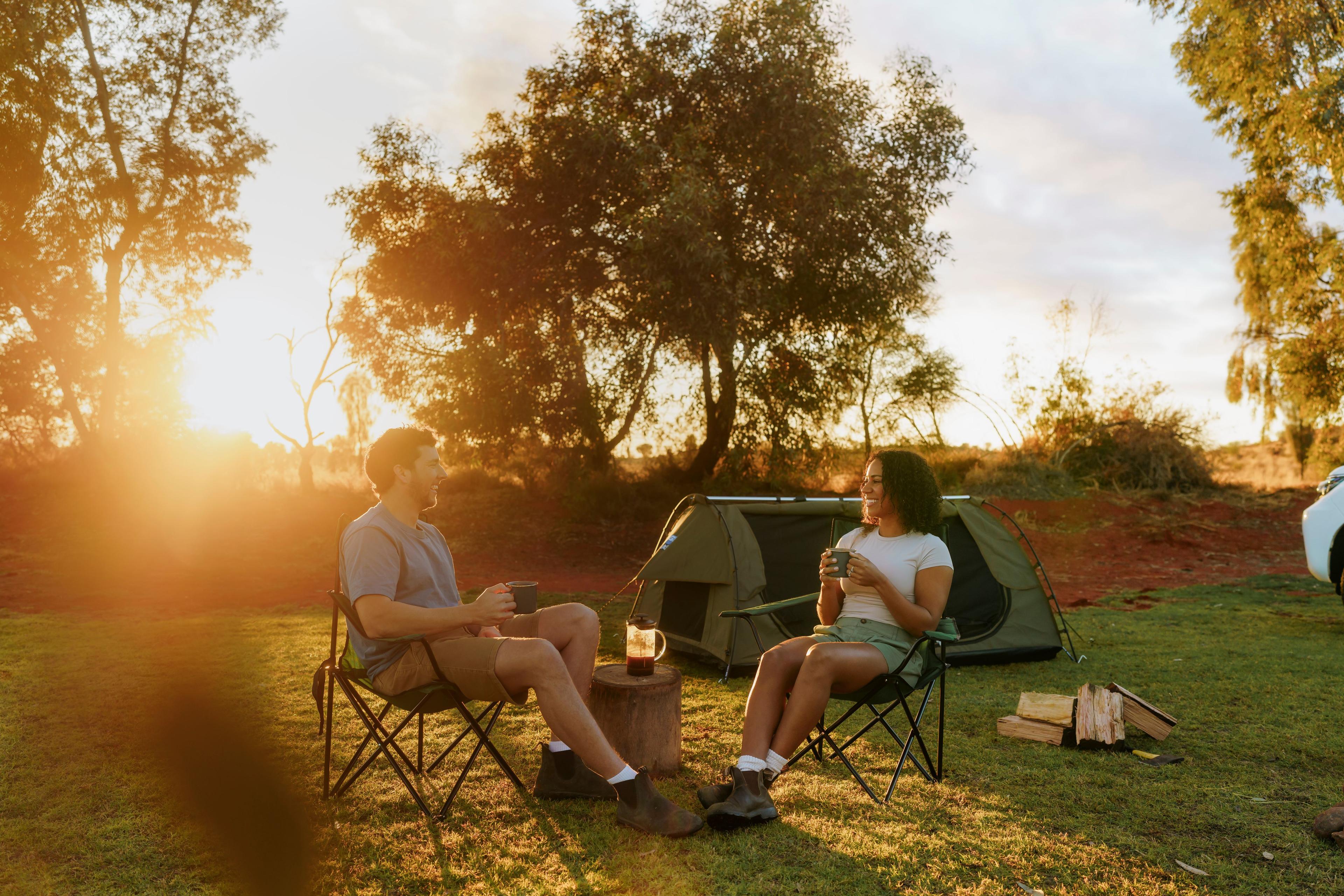
All visitors stay in Ayers Rock Resort (Yulara), which is located about 20 minutes from the rock itself. Here is the full line-up of where you can rest your head, all of which share access to the resort's free shuttle bus, a handy supermarket, and daily cultural activities.
Wherever you stay, you'll have access to services including free guest activities, tour pick-ups from your accommodation, shops and cafes in Town Square, and complimentary shuttle bus transport around Yulara.




The "Big Three" Experiences
You could spend weeks exploring the Red Centre, but if you want to hit the absolute highlights, these three are non-negotiable:
1. The Uluru Base Walk
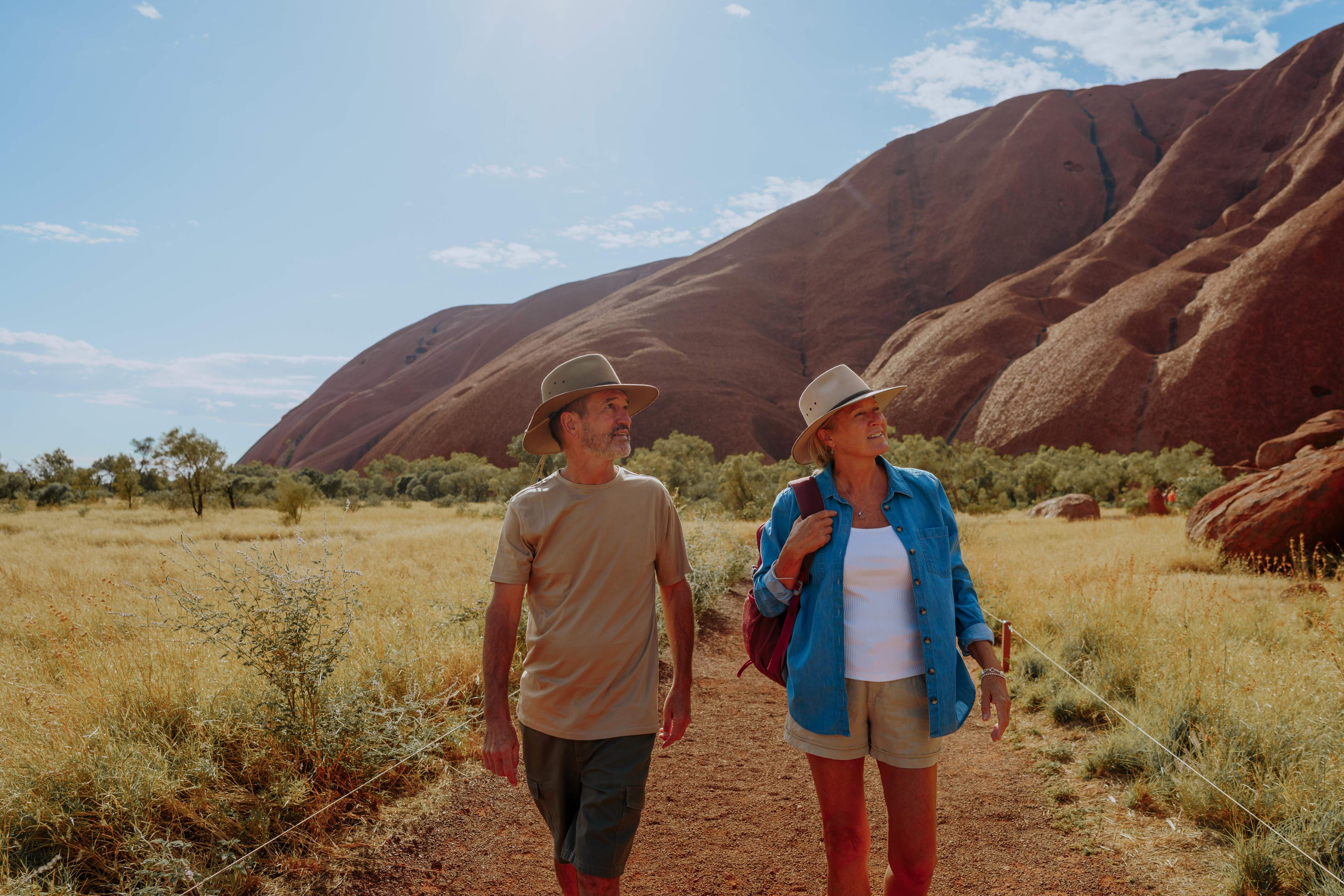
The 10.6km Uluru base walk is one of the most rewarding ways to experience this iconic landscape. Circling the entire rock, you’ll discover hidden waterholes, ancient rock art, and fascinating natural “scars” in the stone that look as though they were carved by giants. It’s an immersive way to appreciate Uluru’s scale, beauty and deep cultural significance.
If you'd prefer a more guided experience, Desert Awakenings is perfect for early risers, combining sunrise views of Uluru with a guided walk. For something more active, Uluru Bike Rides let you cover more ground at your own pace, while Uluru Segway Tours offer a fun and effortless way to glide around sections of the base with expert commentary along the way.
2. Kata Tjuta
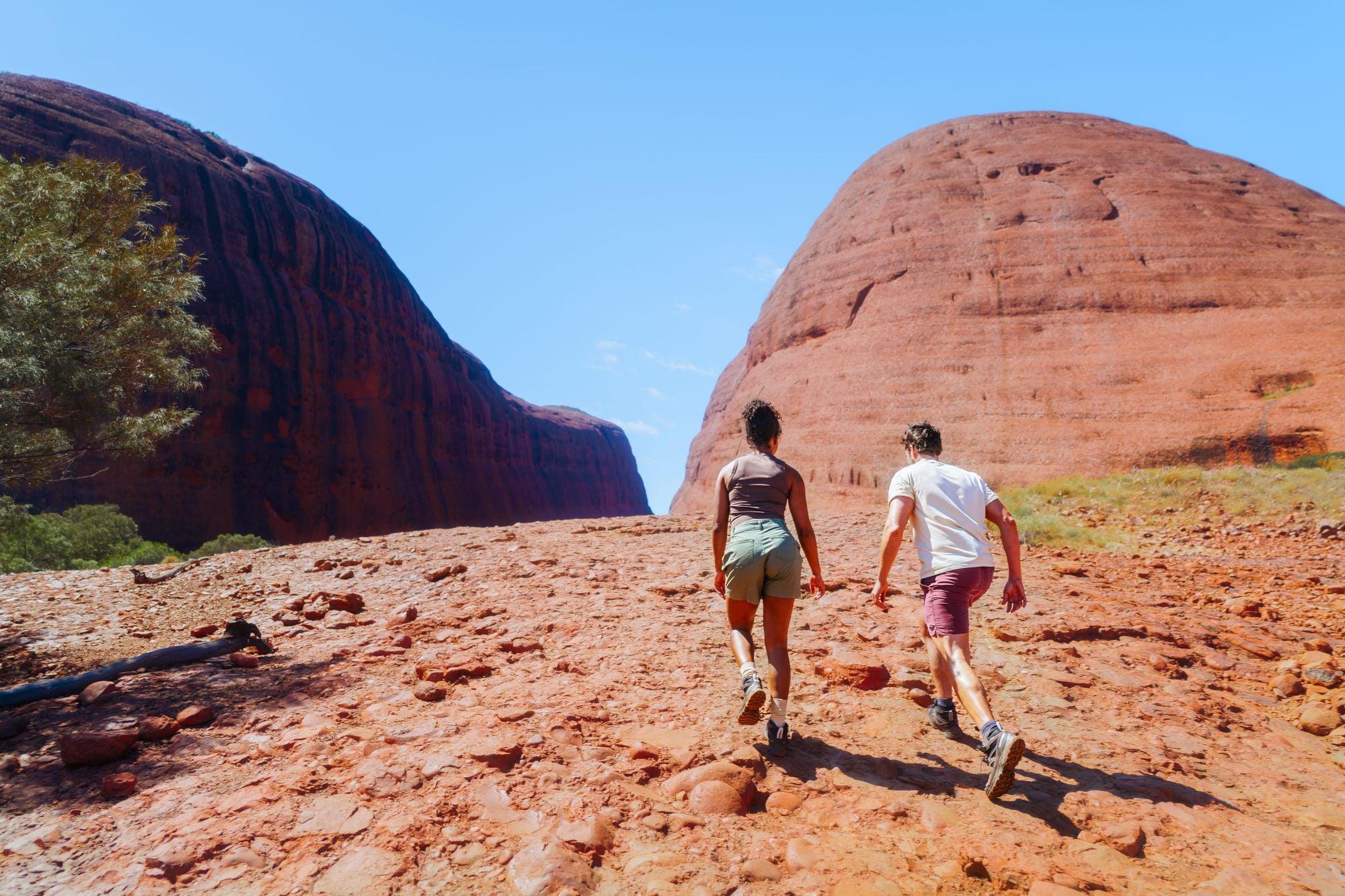
Kata Tjuta offers a completely different – yet equally breathtaking – landscape of 36 towering domes and deep valleys. Here, you can explore two walking tracks: Walpa Gorge, an easier trail that takes you between the dramatic rock formations, and the Valley of the Winds, a more challenging hike rewarded with sweeping views across the domes and the desert beyond.
To make the most of your visit, guided experiences can add valuable cultural insight and ease. SEIT Tours offer a great way to explore Walpa Gorge with an expert guide, while the Kata Tjuta and Valley of the Winds tour is ideal for those wanting to tackle the iconic hike. For added flexibility, Uluru Hop On Hop Off passes allow you to explore Kata Tjuta at your own pace.
3. Wintjiri Wiru
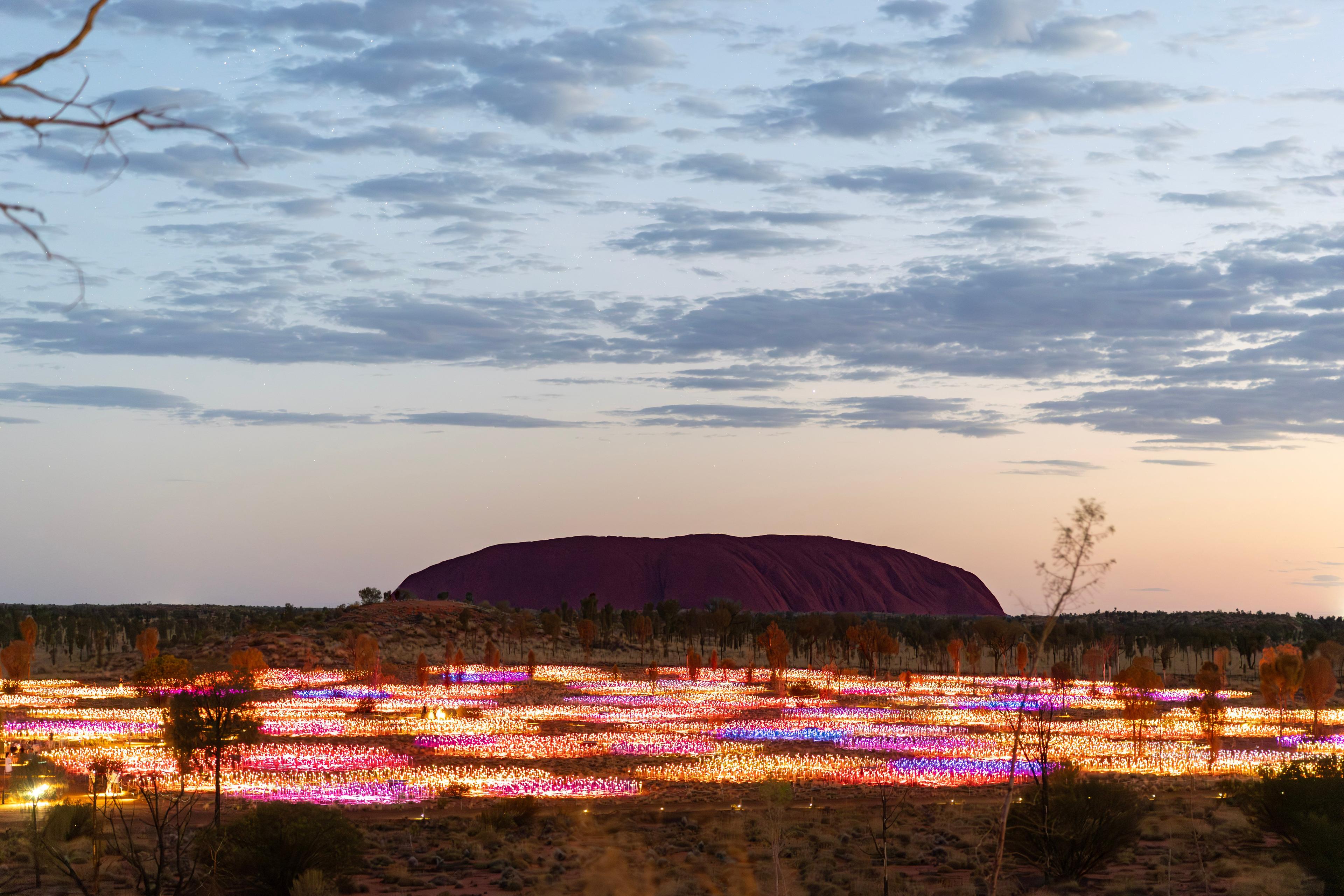
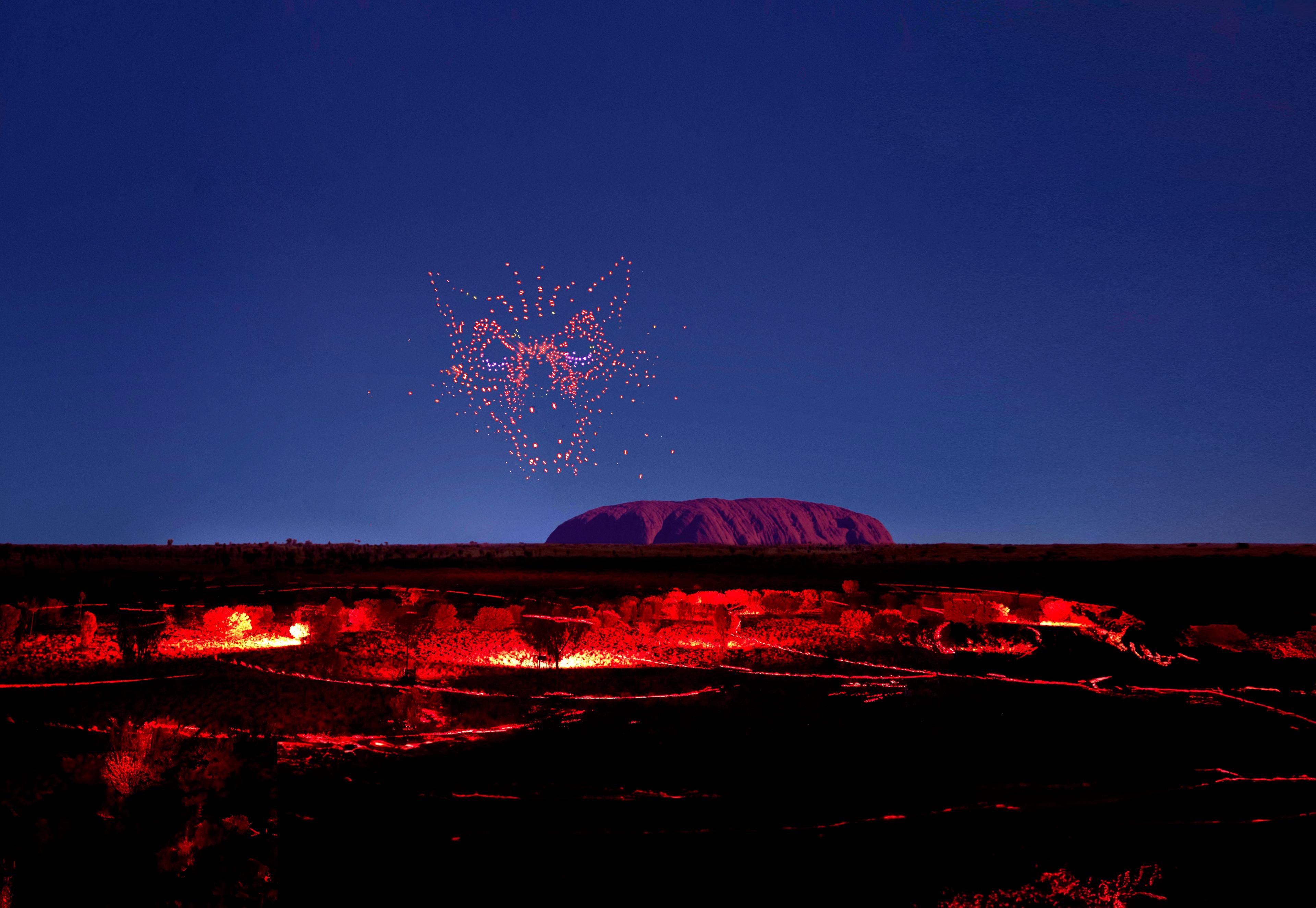
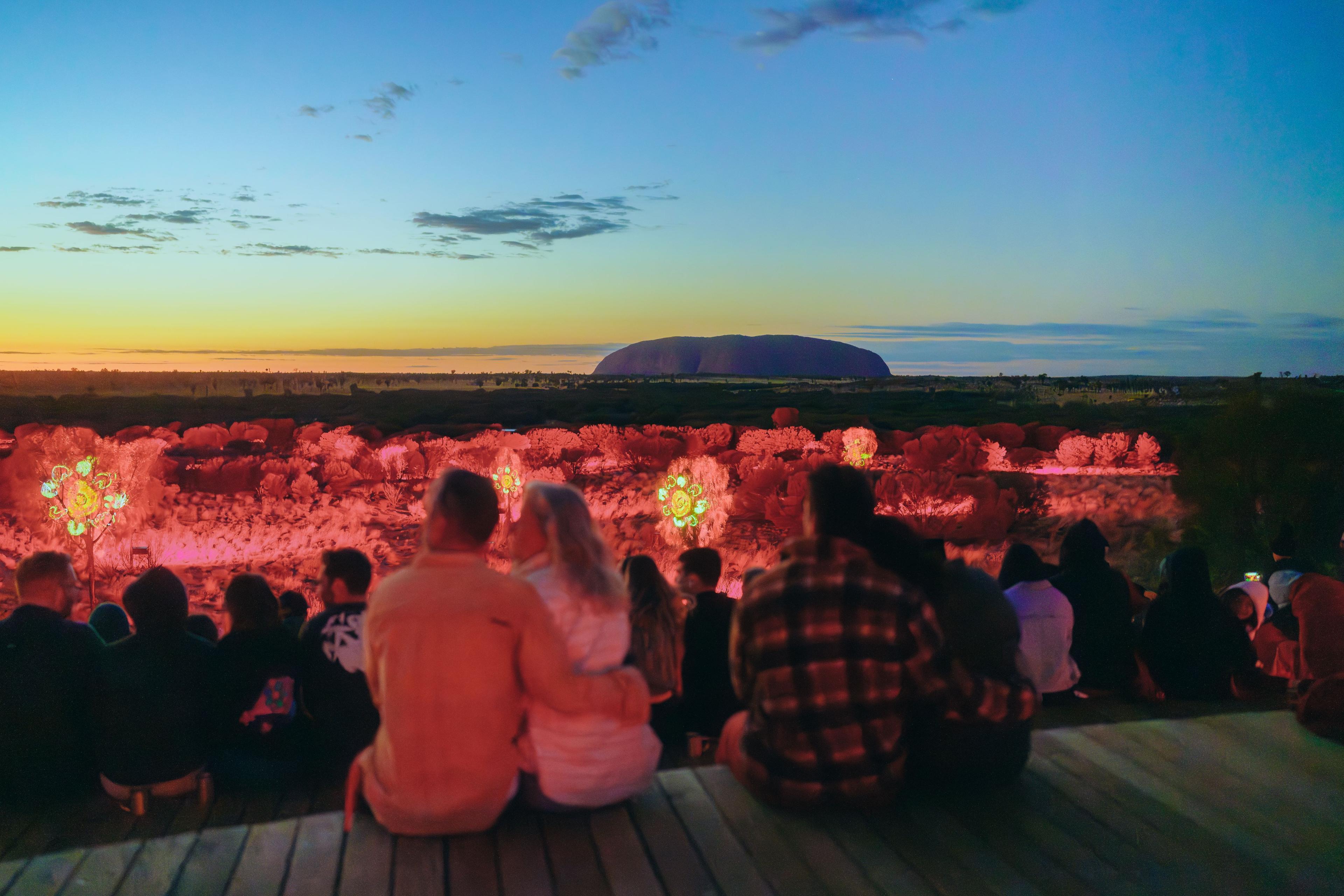
Witness an ancient Anangu story brought to life through cutting-edge technology with Wintjiri Wiru. From a dune top overlooking Uluru, watch choreographed drones, lasers and projections illuminate the night sky as the Mala story unfolds. You’ll be immersed in a truly unforgettable experience found nowhere else on earth.
The Must-Do Itineraries in Uluru
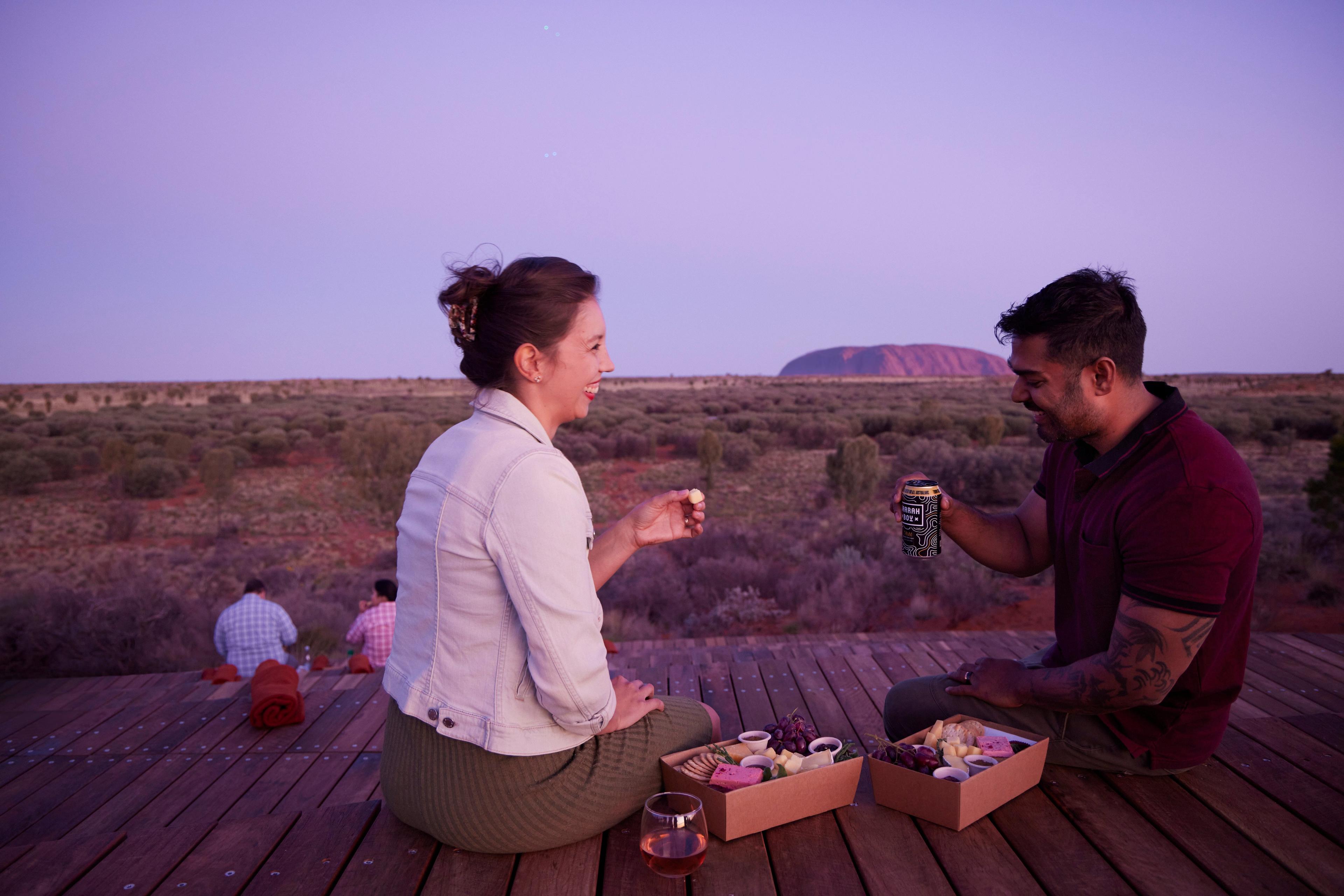
Make the most of four days with this suggested itinerary.


Essential Logistics for Kiwis
Before you pack your bags, here are a few practicalities to sort out:
Visas
Thanks to the Trans-Tasman Travel Arrangement, New Zealand citizens are automatically granted a Special Category Visa (Subclass 444) upon arrival in Australia, provided you meet character and health requirements.
National Parks Pass
Everyone visiting the Uluru Kata-Tjuta National Park needs a valid park pass. Save time and buy this online here before you arrive.
The Fly Net
The Outback flies are legendary, particularly in the warmer months. Pick up a cheap flu net for your hat at IGA Supermarket in Town Square – you might feel silly wearing it, but you will be endlessly grateful you have it.
Check Your Currency
Understanding the currency exchange rate will help you plan and budget for your trip. Use the exchange tool below to see how your New Zealand NZD exchanges to Australian AUD.
Cultural Etiquette: Respecting the Rock
Uluru and Kata Tjuta are profoundly sacred to Anangu, the Traditional Owners of the land. Visiting respectfully ensures these sites are protected for generations to come.
Do Not Climb
The Uluru climb was permanently closed in 2019 out of respect for Anangu cultural beliefs. Walking around the base is the respectful, and much more rewarding way to experience the monolith.
Photography Rules
Some areas around Uluru's base are highly sensitive cultural sites with deep significance under Tjurkurpa, the foundation of Anangu culture, law, and spiritual beliefs. You will see clear signage where photography is strictly prohibited. Please keep your cameras down in these areas.
Leave the "Sorry Rocks" Alone
It is considered deeply disrespectful (and terrible luck) to take sand or rocks from the National Park. Countless "sorry rocks" are mailed back to the park every year by travellers who regret taking them.
Frequently Asked Questions

Why the Journey is Worth It
There is simply nothing quite like the Red Centre. Far from the lush forests and alpine lakes of New Zealand, you will find a sweeping, arid landscape dominated by geological wonders you can't see anywhere else on earth. It's an ancient, spiritual place where the silence is so profound that it feels heavy, and the night sky puts the sheer scale of the world into perspective. Book your flights, pack your walking shoes, and get ready for the Outback adventure of a lifetime.

What to Pack for Your Australian Outback Adventure
The Outback isn’t your typical holiday destination — which means packing the right gear is essential. Here’s your ultimate guide to being Outback-ready, packed with practical advice and plenty of tips and tricks.
Experience Uluru Like a Local: The Ultimate Guide
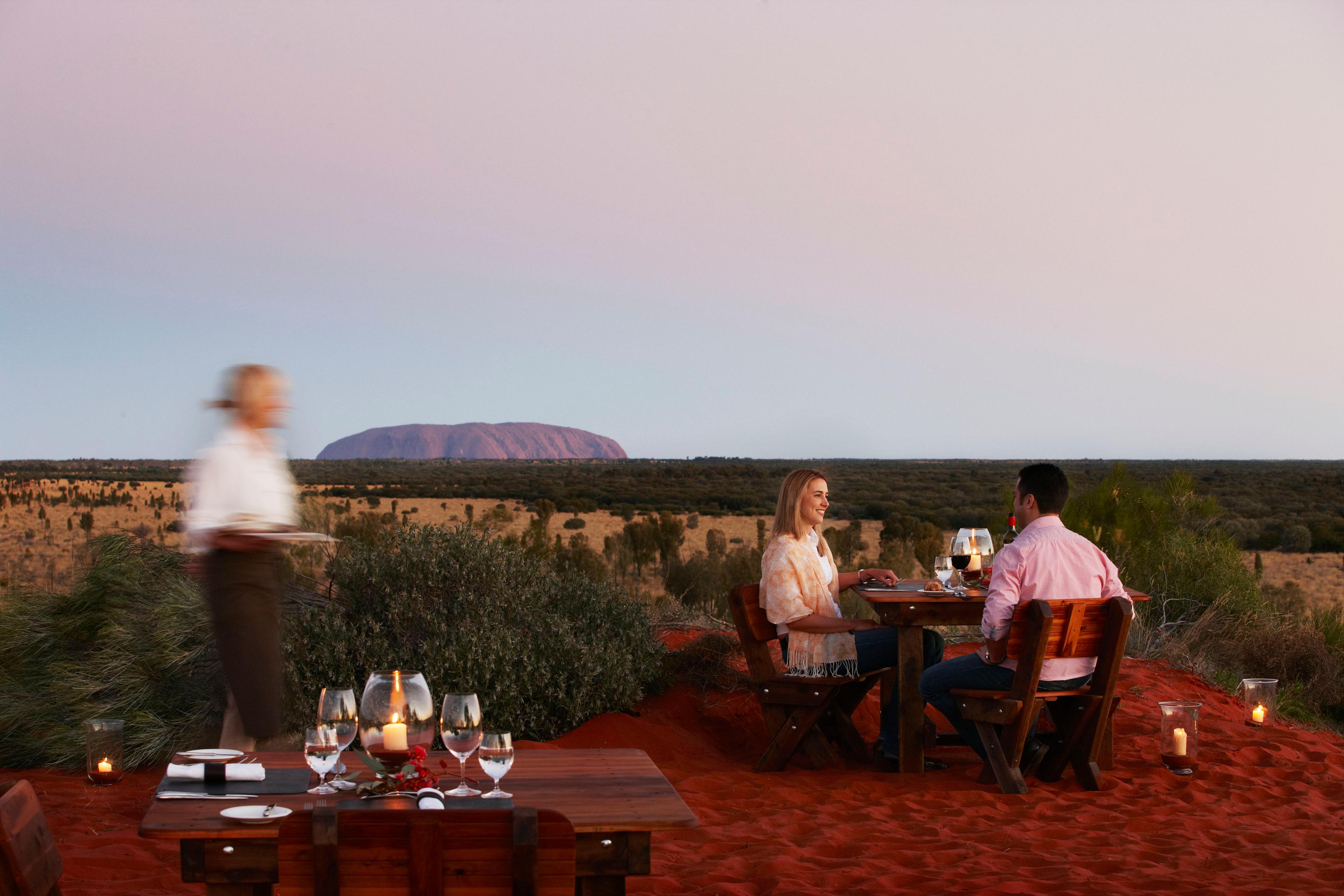
Despite not being the best place to don your haute couture, don't be misled into thinking the Red Centre can't offer the best in luxury getaways.
Top 10 Can't Miss Experiences In Uluru
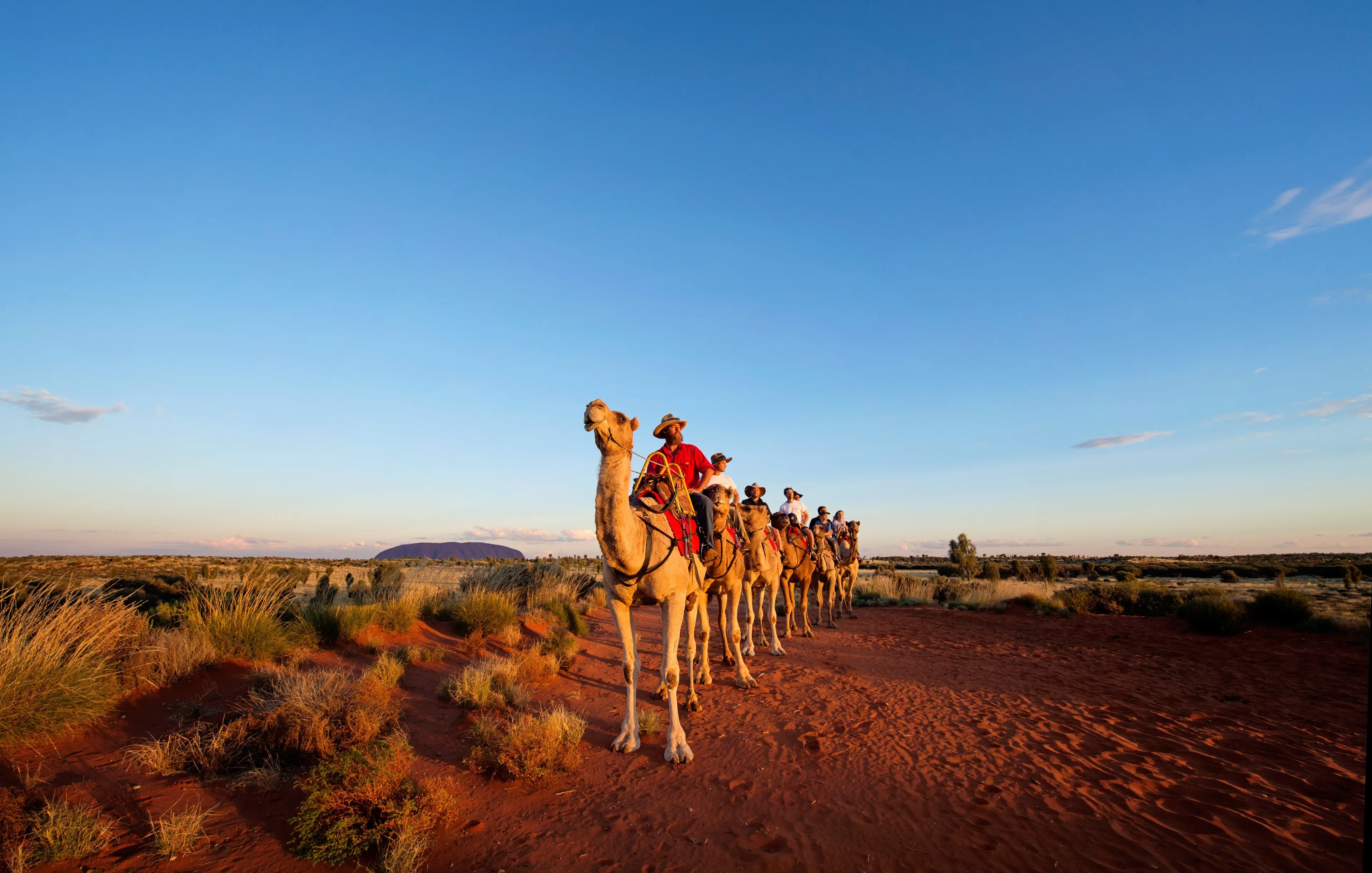
There is so much to see and do in Uluru that it's next to impossible to see it all in one trip.
What to Pack for Your Australian Outback Adventure
The Outback isn’t your typical holiday destination — which means packing the right gear is essential. Here’s your ultimate guide to being Outback-ready, packed with practical advice and plenty of tips and tricks.
Experience Uluru Like a Local: The Ultimate Guide
Despite not being the best place to don your haute couture, don't be misled into thinking the Red Centre can't offer the best in luxury getaways.
Top 10 Can't Miss Experiences In Uluru
There is so much to see and do in Uluru that it's next to impossible to see it all in one trip.