Grey Skies Out, Red Centre In: The Brit's Guide to Uluru
For British travellers, a journey to the Red Centre is more than a change of scenery – it's an unforgettable experience in Australia's spiritual heart: Uluru.
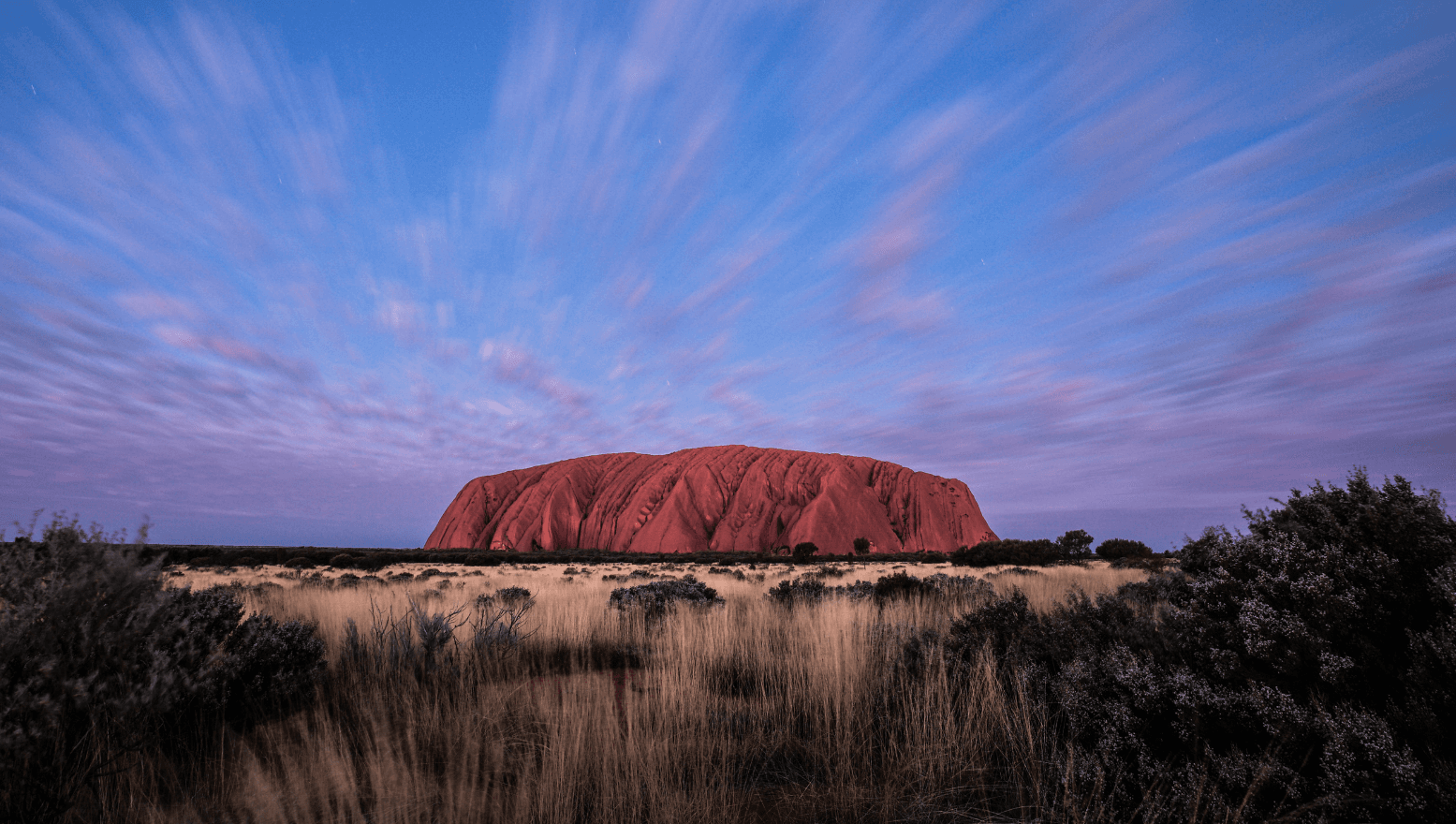
For a British traveller, there is no journey more profound than the one to Uluru. It's a trip that takes you roughly 15,000 kilometres (nearly halfway around the globe) from the lush, rolling hills of the UK countryside to the oxidised, iron-red sand of the Australian Outback.
Uluru isn't just a "red rock." To Anangu, the Traditional Custodians of the land, it is a living cultural landscape, the site of Tjukurpa (Creation stories), and the literal heart of the continent. If you're planning to visit the Red Centre from the milder climates of Western Europe, here is everything you need to know to help make the journey of a lifetime the best it can be.
The Long Haul: Getting Here
There is no "quick" way to get to Uluru from the UK. You are looking at a minimum of 22 to 30 hours of travel time. Because there are no direct flights to Central Australia to the UK, your journey will be split into two distinct phases.
Phase 1: The International Leg
Most UK travellers prefer flying from major cities like London (usually Heathrow (LHR)), Newcastle (NCL), or Manchester (MAN). Your first goal is to reach an Australian "gateway" city – usually Sydney, Melbourne, Cairns or Brisbane.
- The Direct Option: Qantas operates a non-stop flight from London to Perth. It's 17 hours, but cuts out a layout in the Middle East or Asia. However, it's worth noting there are no direct flights from Perth to Uluru. This means you will still need to catch a domestic connecting flight to another eastern Australian city (like Sydney or Melbourne) before making your final hop to the desert, bringing your journey to a total of three flights.
- The Stopover Classics: Airlines like Emirates (via Dubai), Qatar Airways (via Doha), Ethihad (via Abu Dhabi), Singapore Airways (via Singapore) and various Chinese carriers offer excellent service and a chance to stretch your legs halfway through.
Phase 2: The Domestic Hop
Once you land in a major Australian city, you'll need a domestic flight to Ayers Rock Airport (AYQ), also known as Connellan Airport.
- Direct Flights: Available from Sydney, Melbourne, Brisbane and Cairns. These routes are regularly serviced by Australia's major domestic carriers: Qantas, Jetstar and Virgin Australia. You can also consider spending a few days in your chosen gateway city to shake off the jet lag, take in the sights, and properly acclimatise to the Australian time zone before heading into the Outback.
- The Alice Springs Alternative: Some travellers fly to Alice Springs and drive the 450km (approx. 5 hours) to Uluru. It's a great way to see the "real" Outback, but don't underestimate the distance. You can explore our car hire guide to learn more, or better yet, turn the journey into a proper road trip. We recommend checking out this Alice Springs to Uluru driving itinerary to make the absolute most of your Red Centre adventure.
Timing Your Trip: Beating the Heat
For travellers visiting from the UK, a 25°C day might feel like the height of summer, but in the Red Centre, this is considered pleasantly cool. The Australian desert climate is vastly different, meaning that choosing the right season to visit is the difference between a comfortable, awe-inspiring trip, and a battle against the midday heat.
Outback Temperatures by Season
Peak Season: May – September
- Typical Daytime Temperatures: 20-30°C
- What It's Like:
- Clear blue skies and low humidity
- Cool, crisp evenings
- Ideal conditions for walks, tours, and outdoor experiences
- Verdict: Perfect for exploring Uluru on foot and enjoying daytime activities
Pro Tip: If you visit in June or July, bring a warm jacket! The desert loses its heat instantly at night, and sunrise temperatures can drop to 0°C.
Shoulder Season: April & October
- Typical Daytime Temperatures: 28-34°C
- What It's Like:
- Warmer days with plenty of sunshine
- Early starts recommended for outdoor walks
- Fewer crowds than peak season
- Verdict: Good conditions if you plan activities earlier in the day
Off-Peak Season: November – March
- Typical Daytime Temperatures: 35-45°C+
- What It's Like:
- Extreme heat during the day
- High fly activity
- Many guided walks and activities close by 11:00am to avoid the heat of the day
- Verdict: Best suited to heat-tolerant travellers and, and early morning and after dark experiences
For the most up-to-date conditions during your stay, check the 7-day forecast below.
Where to Stay: The Yulara Hub
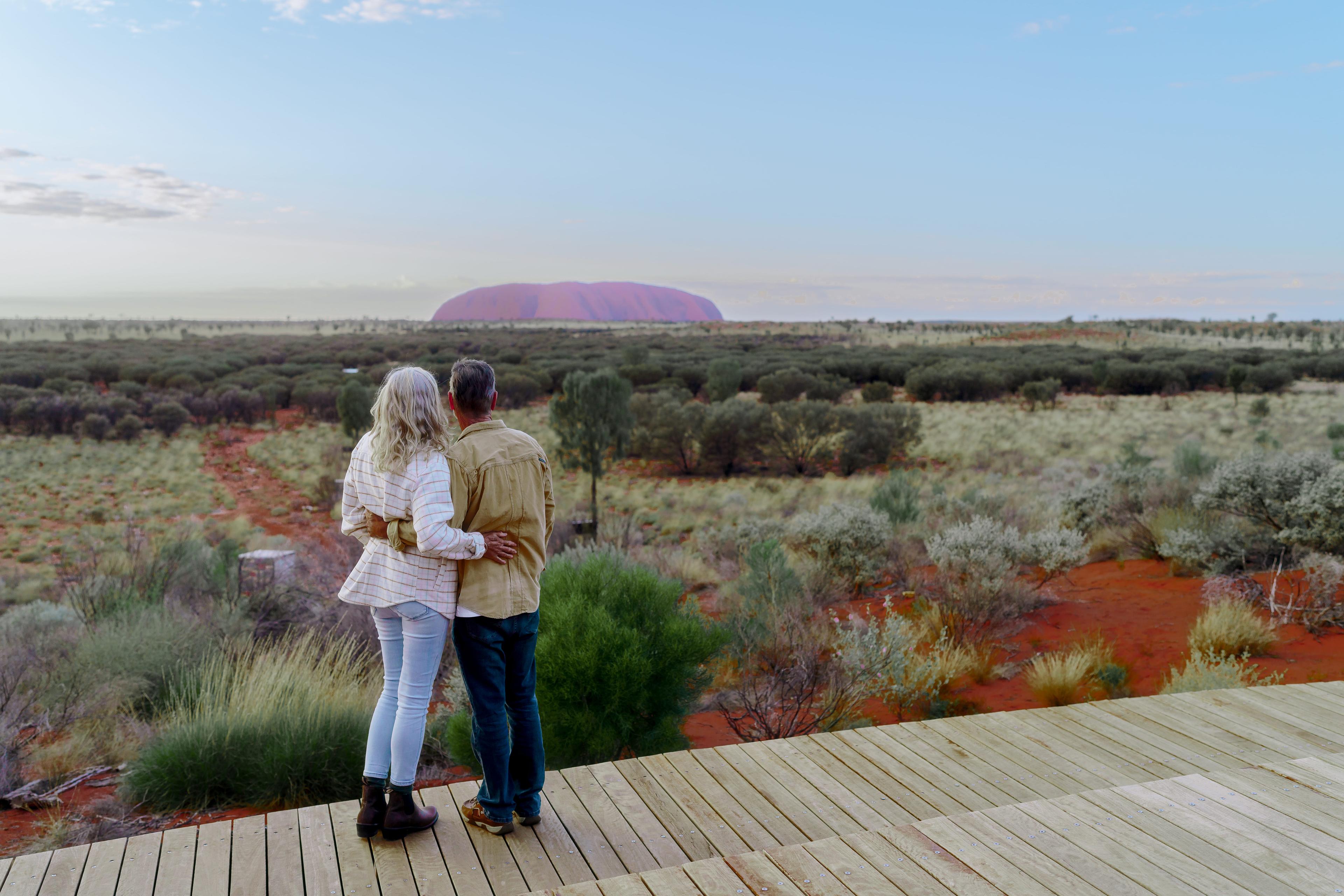
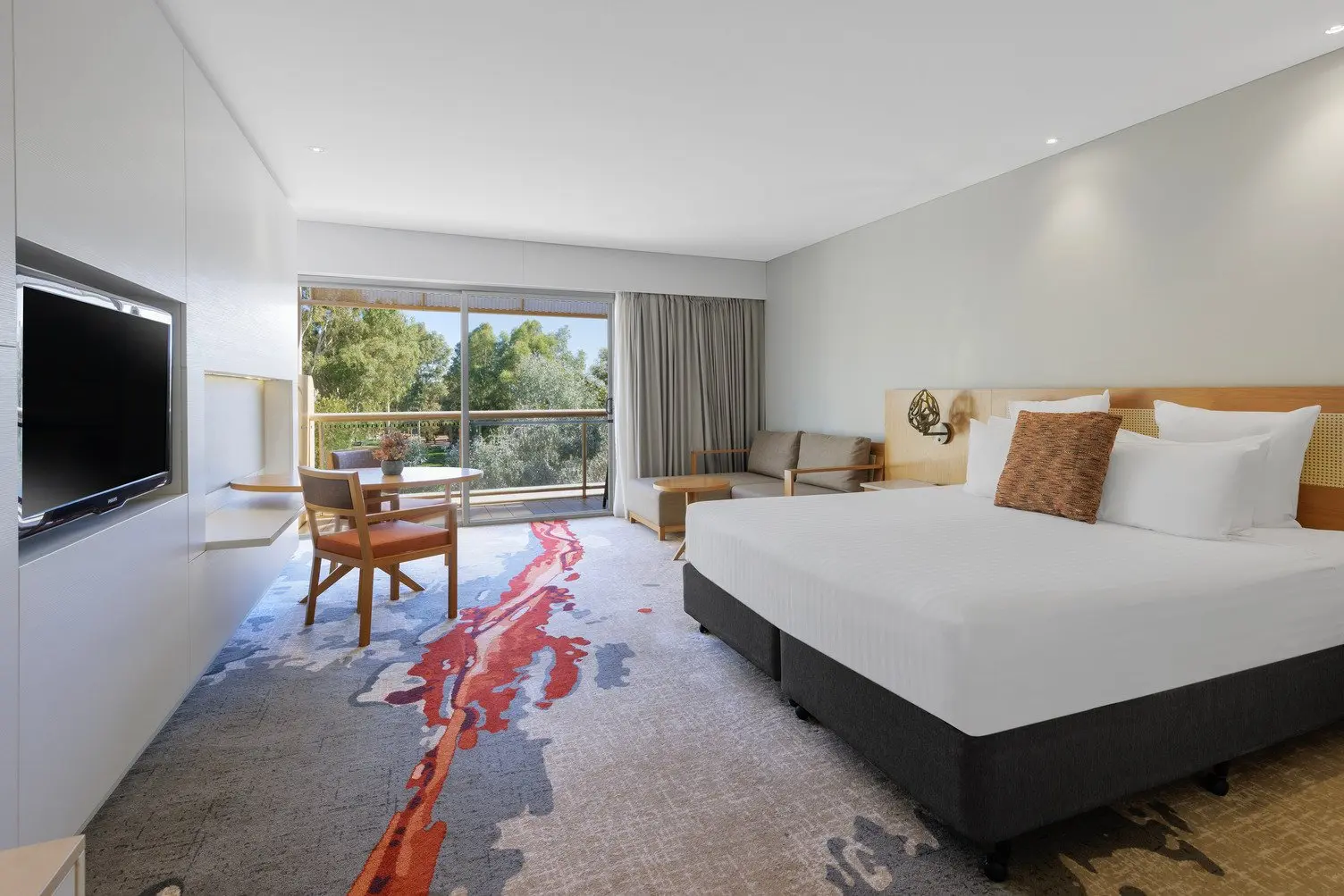
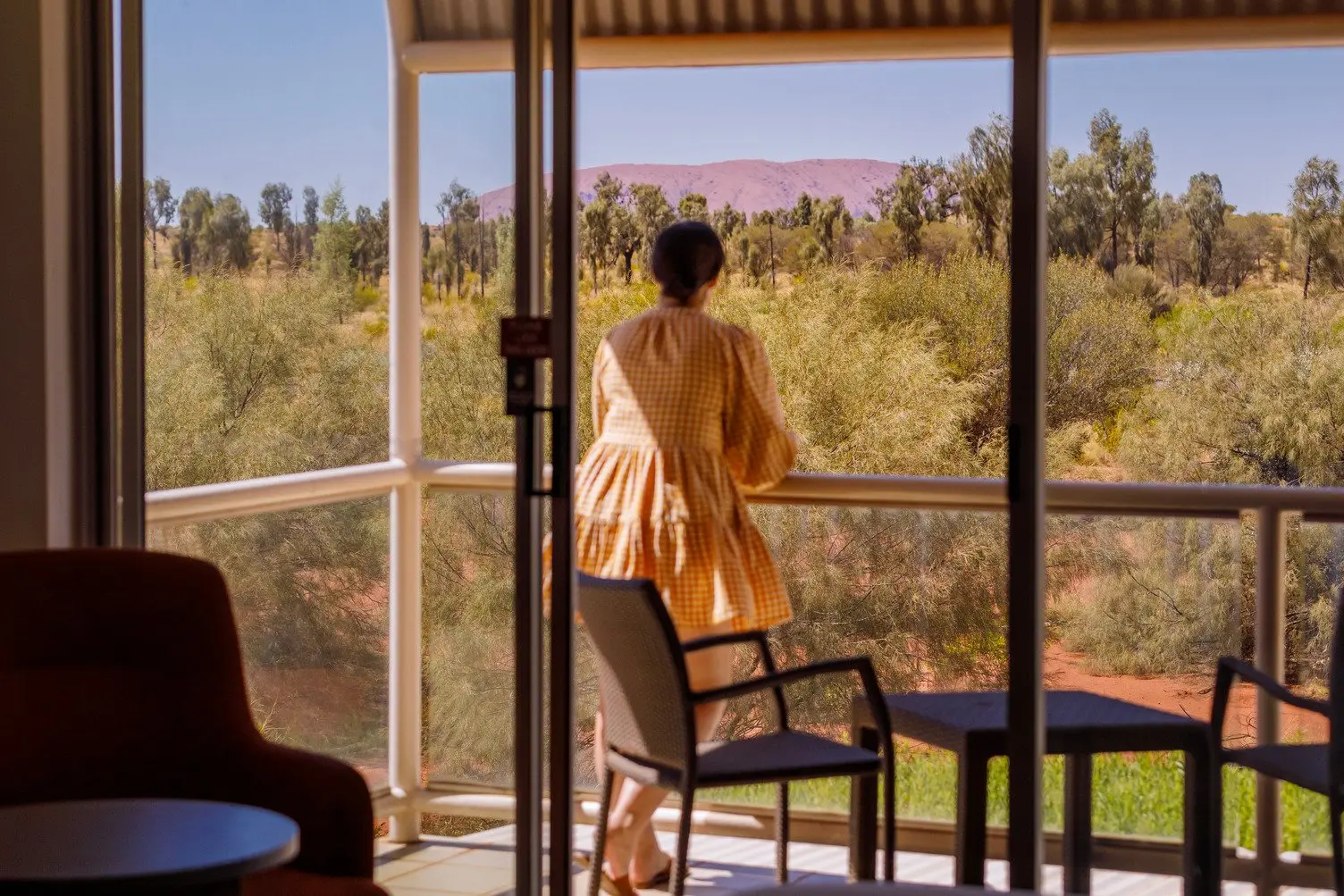
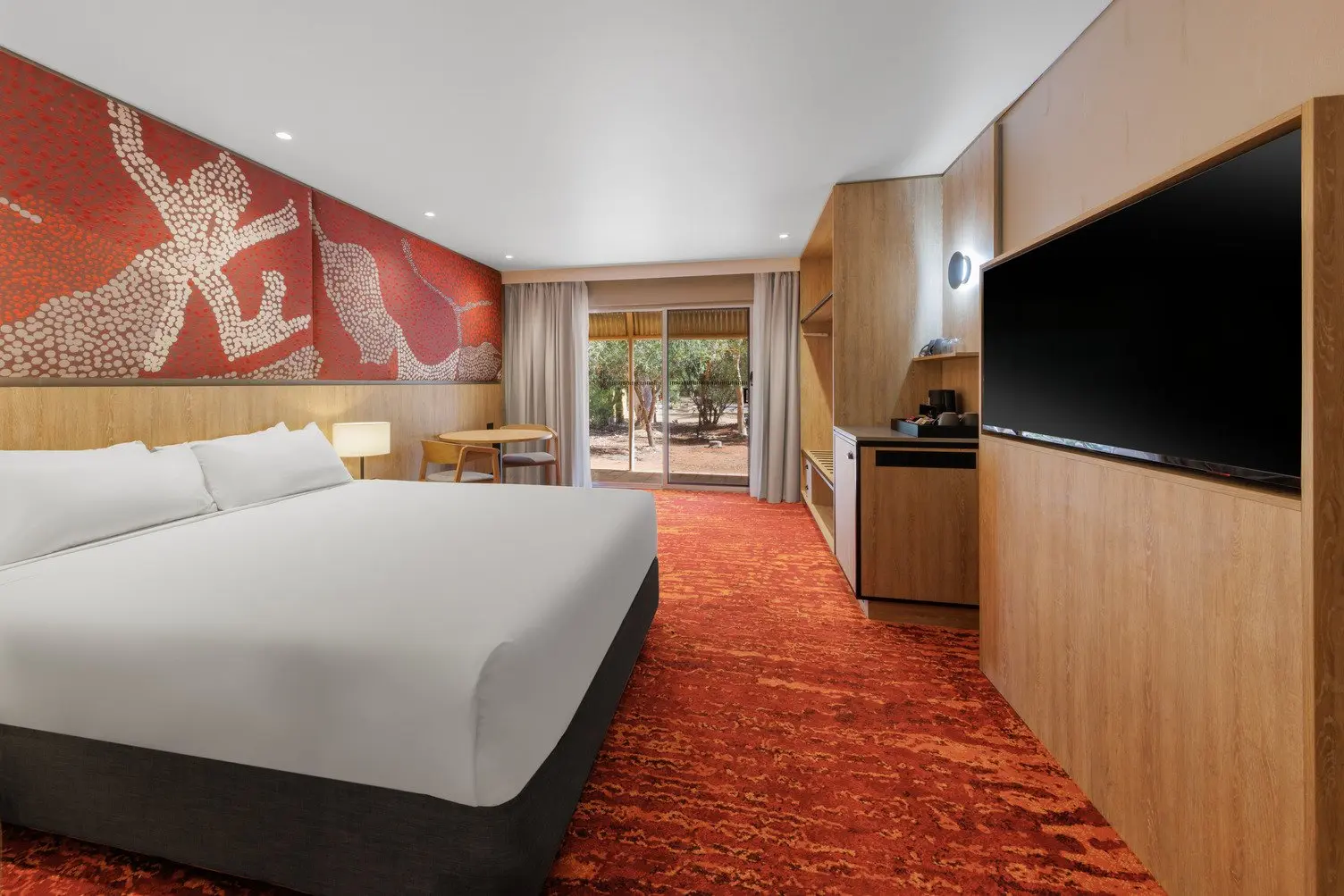
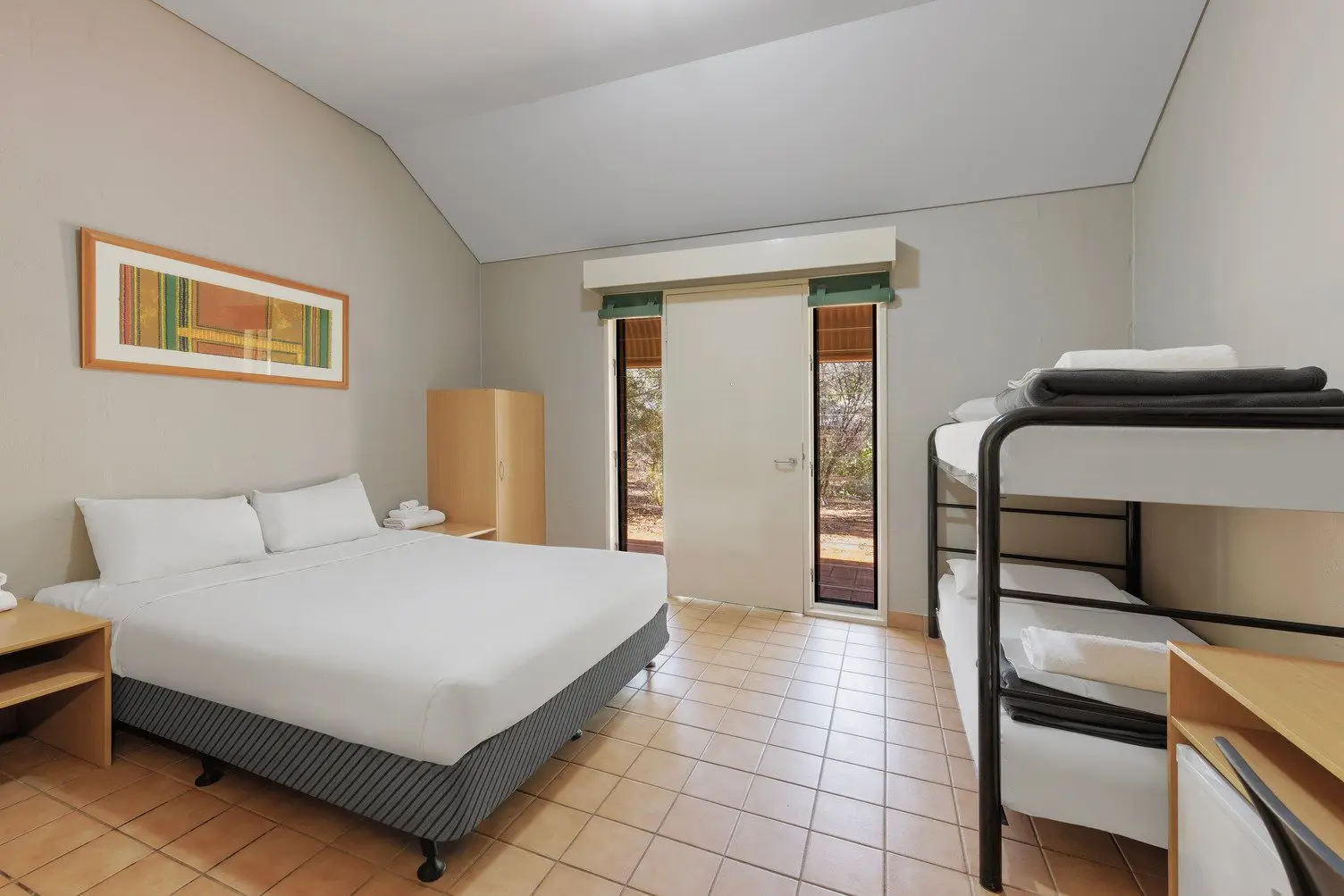
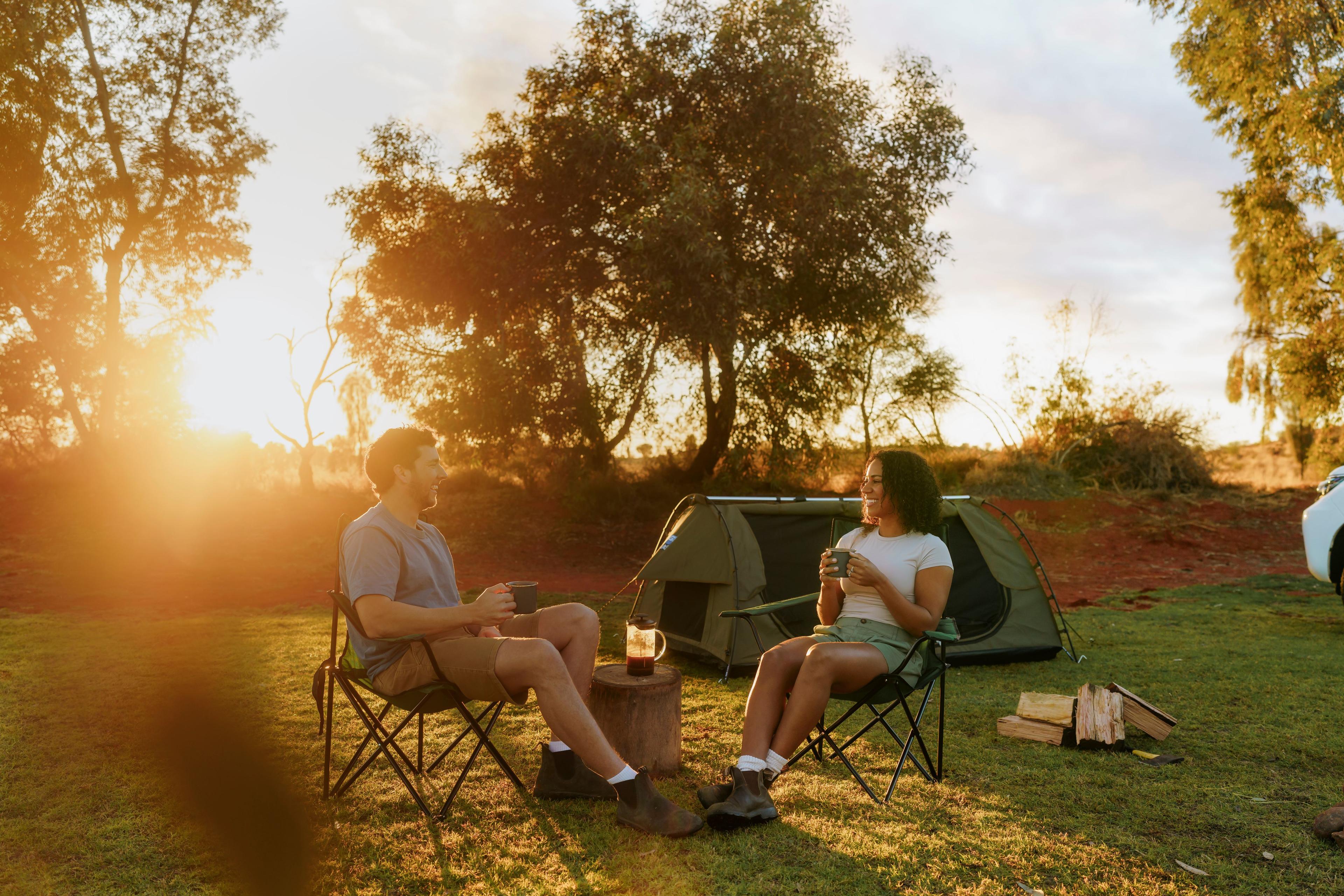
All visitors stay in Ayers Rock Resort (Yulara), which is located about 20 minutes from the rock itself. Here is the full line-up of where you can rest your head, all of which share access to the resort's free shuttle bus, a handy supermarket, and daily cultural activities.
Wherever you stay, you'll have access to services including free guest activities, tour pick-ups from your accommodation, shops and cafes in Town Square, and complimentary shuttle bus transport around Yulara.


The "Big Three" Experiences
You haven't truly seen Uluru until you've experienced these three things.
1. The Base Walk
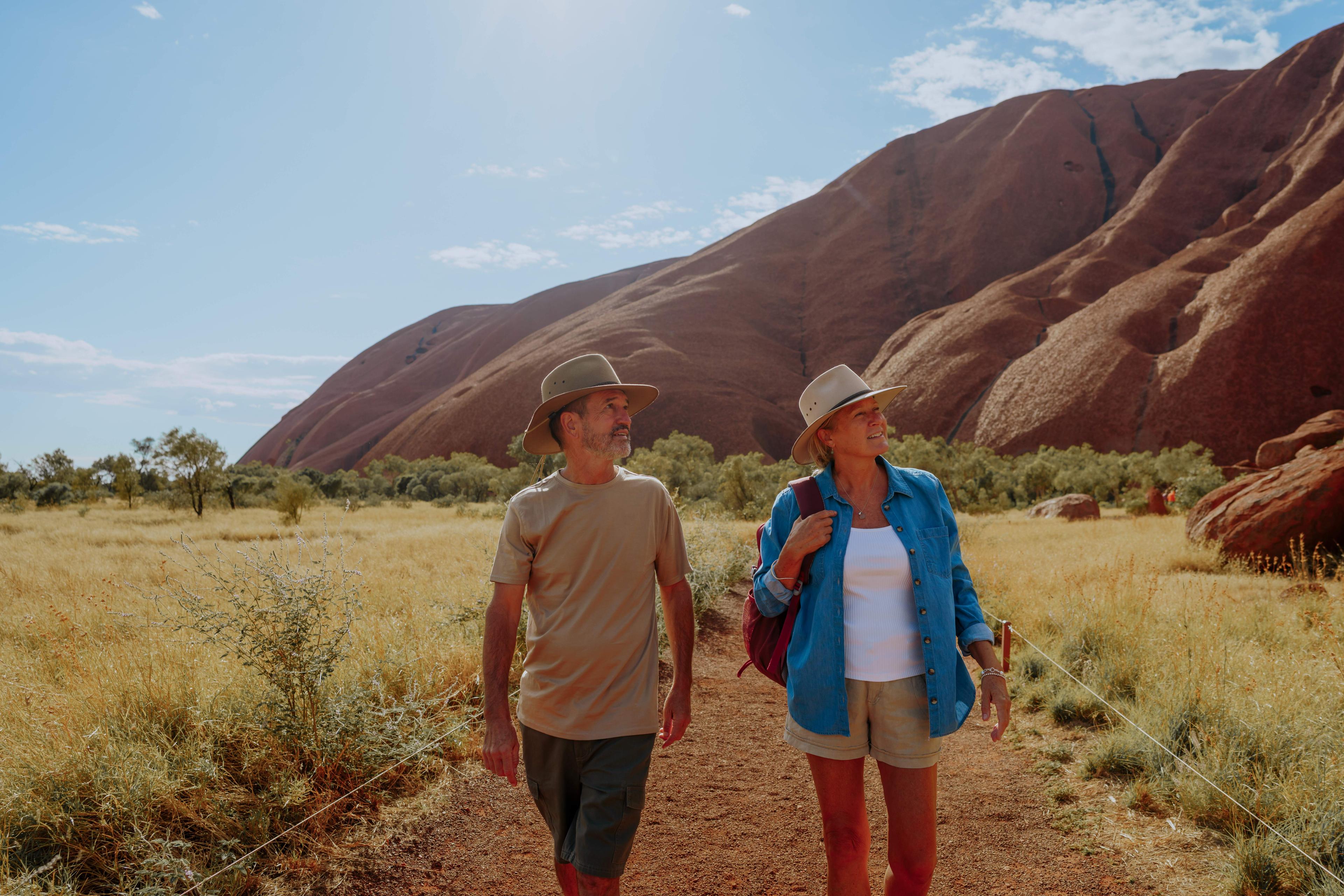
The 10.6km Uluru base walk is one of the most rewarding ways to experience this iconic landscape. Circling the entire rock, you’ll discover hidden waterholes, ancient rock art, and fascinating natural “scars” in the stone that look as though they were carved by giants. It’s an immersive way to appreciate Uluru’s scale, beauty and deep cultural significance.
If you'd prefer a more guided experience, Desert Awakenings is perfect for early risers, combining sunrise views of Uluru with a guided walk. For something more active, Uluru Bike Rides let you cover more ground at your own pace, while Uluru Segway Tours offer a fun and effortless way to glide around sections of the base with expert commentary along the way.
2. Kata Tjuta
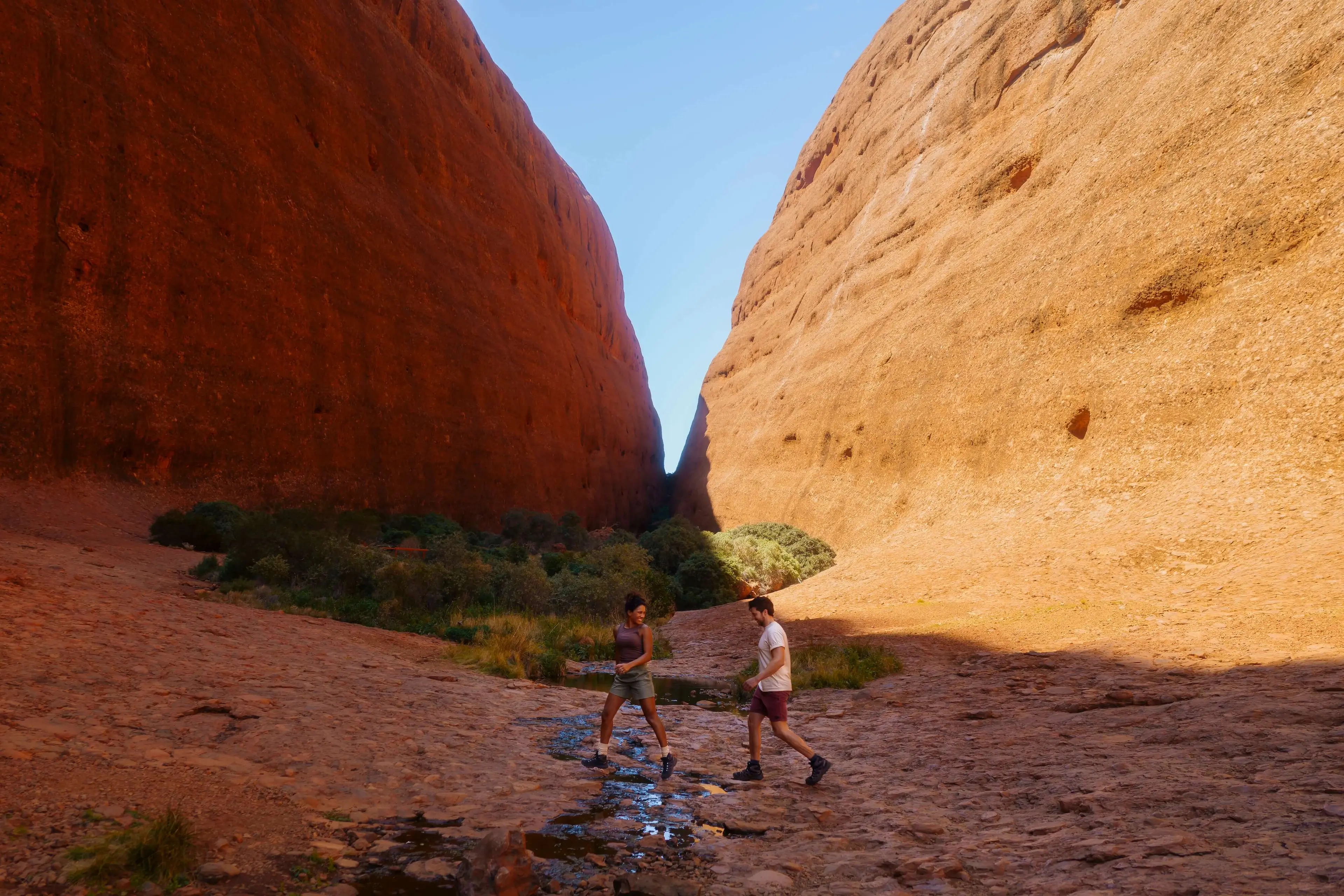
Kata Tjuta offers a completely different – yet equally breathtaking – landscape of 36 towering domes and deep valleys. Here, you can explore two walking tracks: Walpa Gorge, an easier trail that takes you between the dramatic rock formations, and the Valley of the Winds, a more challenging hike rewarded with sweeping views across the domes and the desert beyond.
To make the most of your visit, guided experiences can add valuable cultural insight and ease. SEIT Tours offer a great way to explore Walpa Gorge with an expert guide, while the Kata Tjuta and Valley of the Winds tour is ideal for those wanting to tackle the iconic hike. For added flexibility, Uluru Hop On Hop Off passes allow you to explore Kata Tjuta at your own pace.
3. Sounds of Silence Dinner
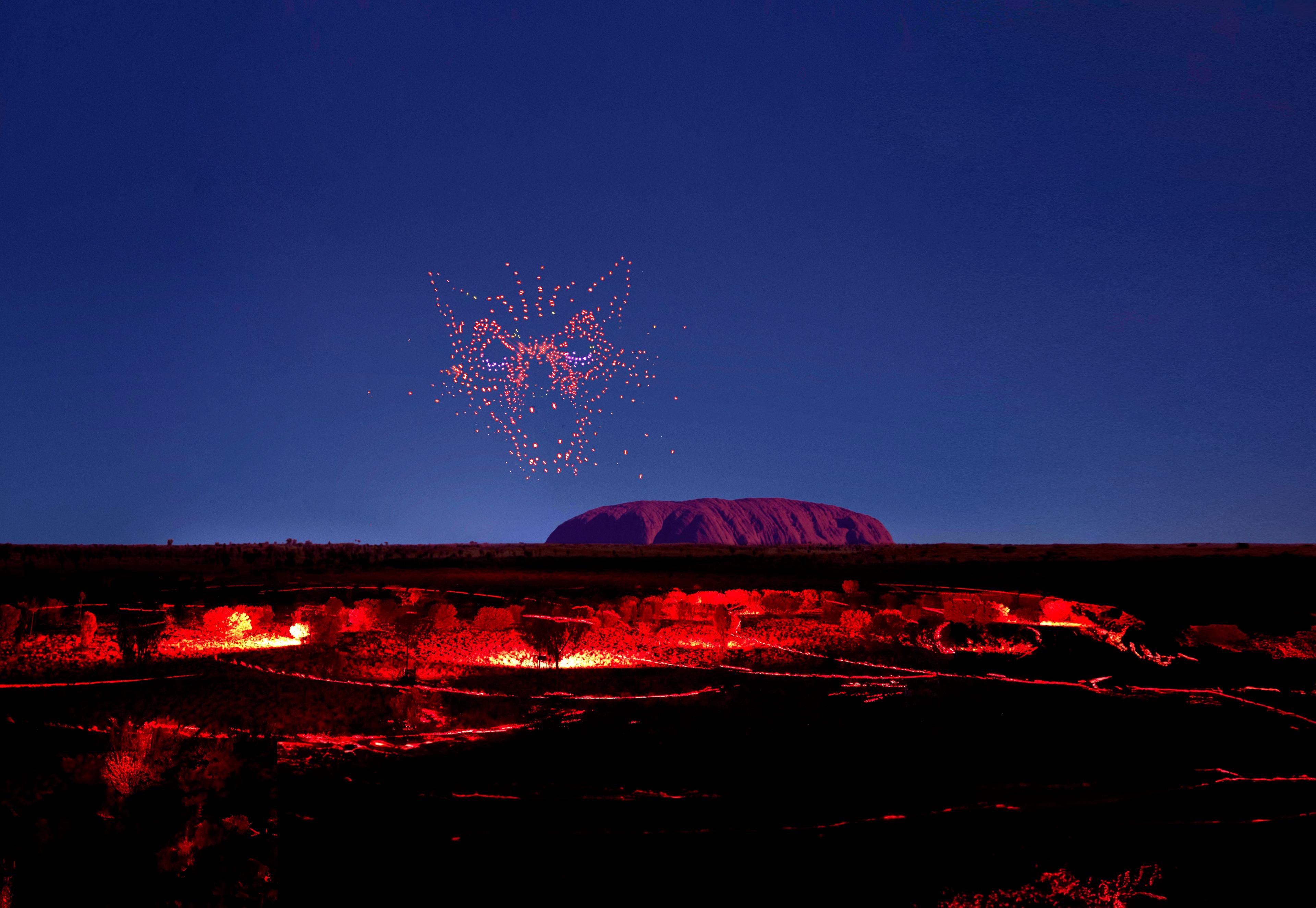
Sounds of Silence is a bucket list item for a reason. You'll dine on emu and barramundi under a canopy of stars so bright they don't look real, accompanied by the deep, resonant sound of a didgeridoo. After dinner, a star talker uses a laser pointer to show you the Southern Cross and other constellations you can't see in the UK. This is a truly unique dining experience you can't get anywhere else in the world.

The Must-Do Itineraries in Uluru
Make the most of four days with this suggested itinerary.

Image: Courtesy Tourism NT/Tourism Australia
Essential Logistics for Brits
Visas
You will need an eVisitor visa (Subclass 651). It's free for British citizens and usually granted within hours, but apply two weeks before you fly.
The Fly Factor
Between October and March, the "Aussie Salute" (swatting flies) becomes a full-time job. Buy a fly net, available for purchase at resort.
Park Pass
You must purchase an entry pass for the Uluru-Kata Tjuta National Park ($38 AUD for 3 days). Purchase your park pass here. This money goes directly back to the Traditional Owners and park maintenance.
Water
The desert air is incredibly dry. You should aim to drink at least 1 litre of water for every hour you are out walking. It’s also worth coming prepared with the right gear, from sun protection to sturdy footwear. Take a look at this helpful guide on what to pack for your Outback adventure to make sure you’re ready for the conditions.
Check Your Currency
Understanding the currency exchange rate will help you plan and budget for your trip. Use the exchange tool below to see how your British Pounds exchange to Australian Dollars.
Cultural Etiquette: Respecting the Rock
Uluru is a sacred site. There are certain areas (clearly marked with signs) where photography is prohibited because they are sacred sites for men’s or women’s business.
Similarly, don't take "souvenir" rocks. Not only is it disrespectful, but local legend says those who take "sorry rocks" from the park are cursed with bad luck until they mail them back (the park rangers receive hundreds of "sorry" packages every year!).
Frequently Asked Questions
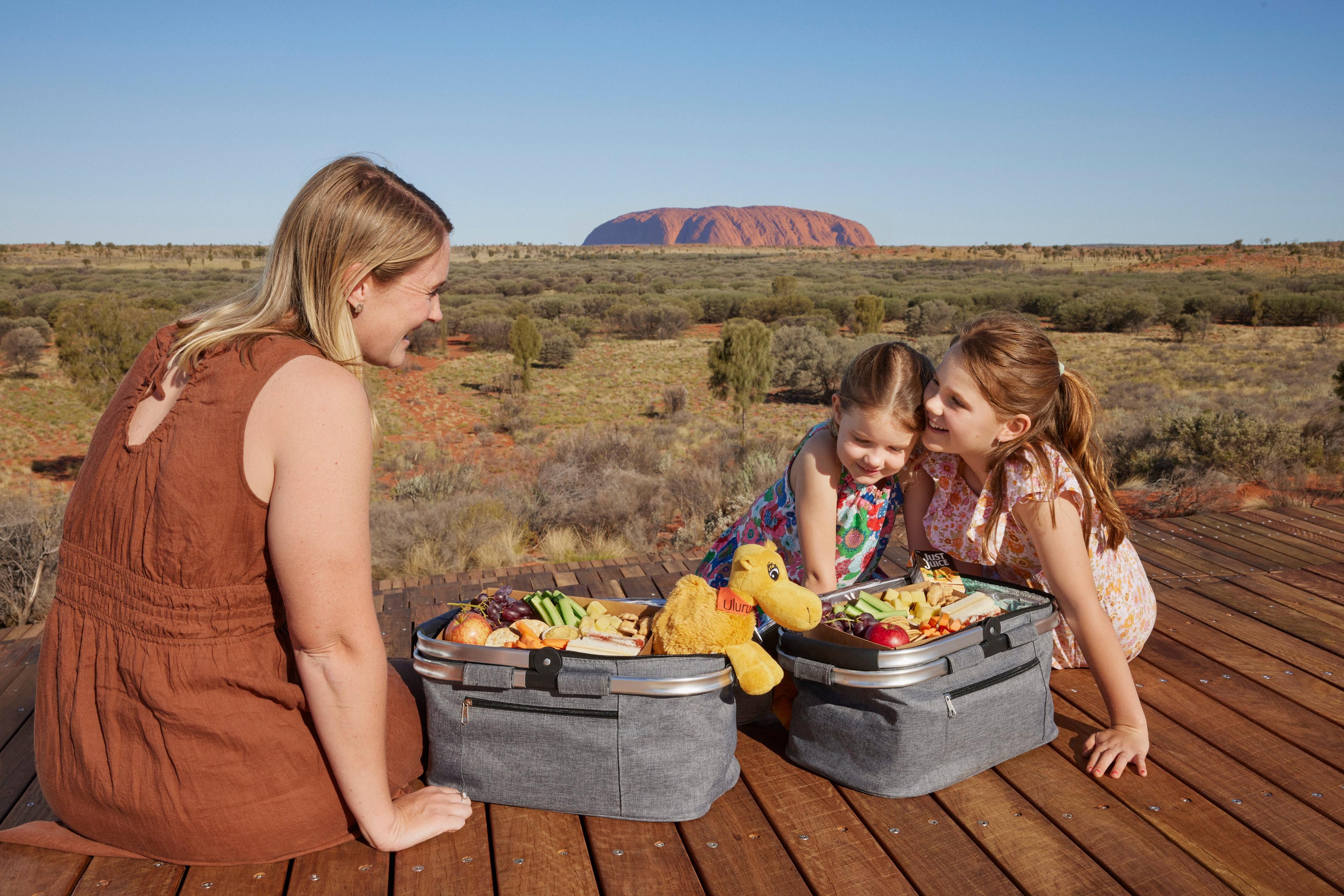
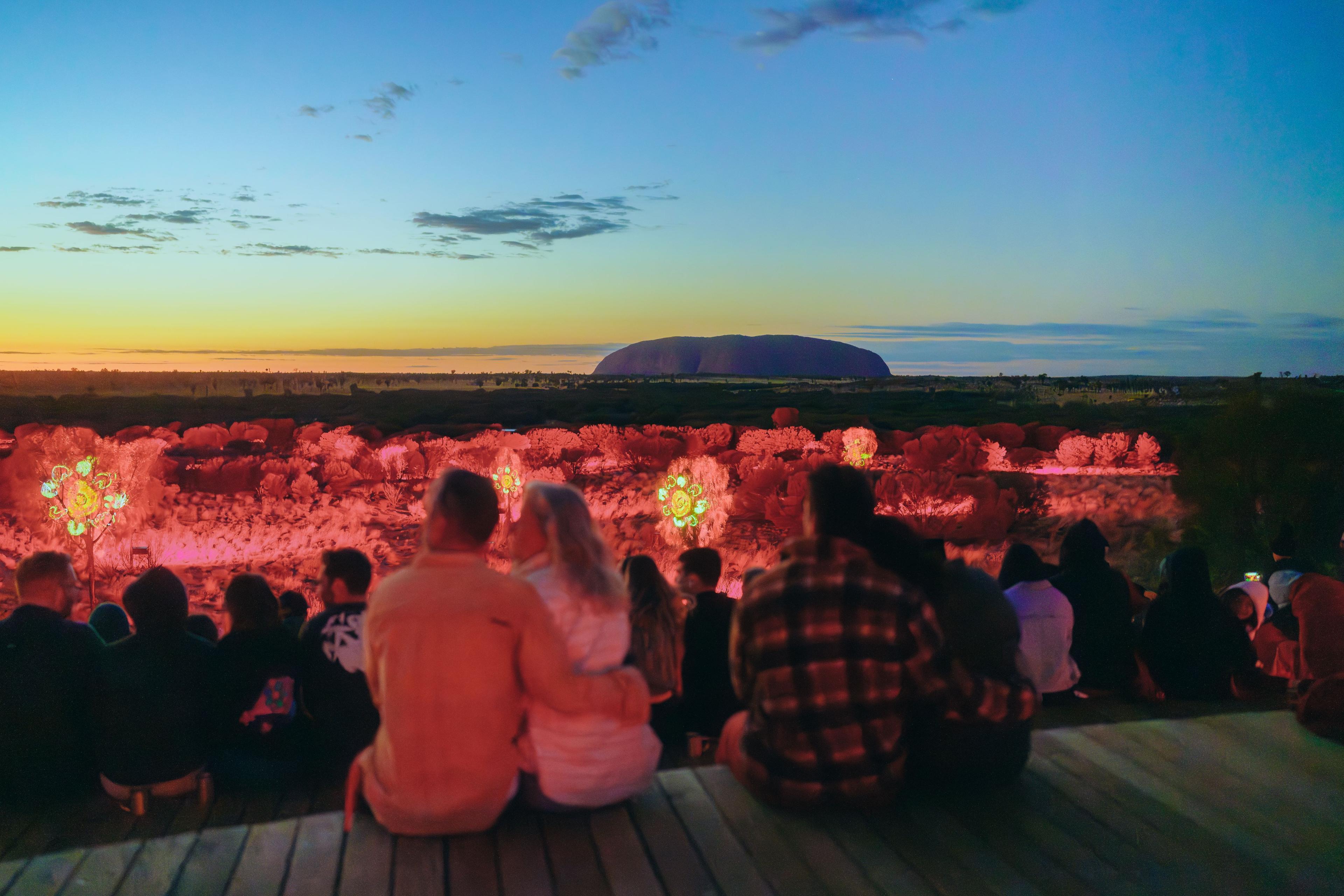
Why the Journey is Worth It
For a British traveller, the Red Centre offers a landscape entirely unlike home. You simply won't find giant red deserts or towering, ancient monoliths anywhere across the UK. Instead, you are met with a vastness where the silence is so profound it feels heavy, and a night sky that makes you feel wonderfully small.
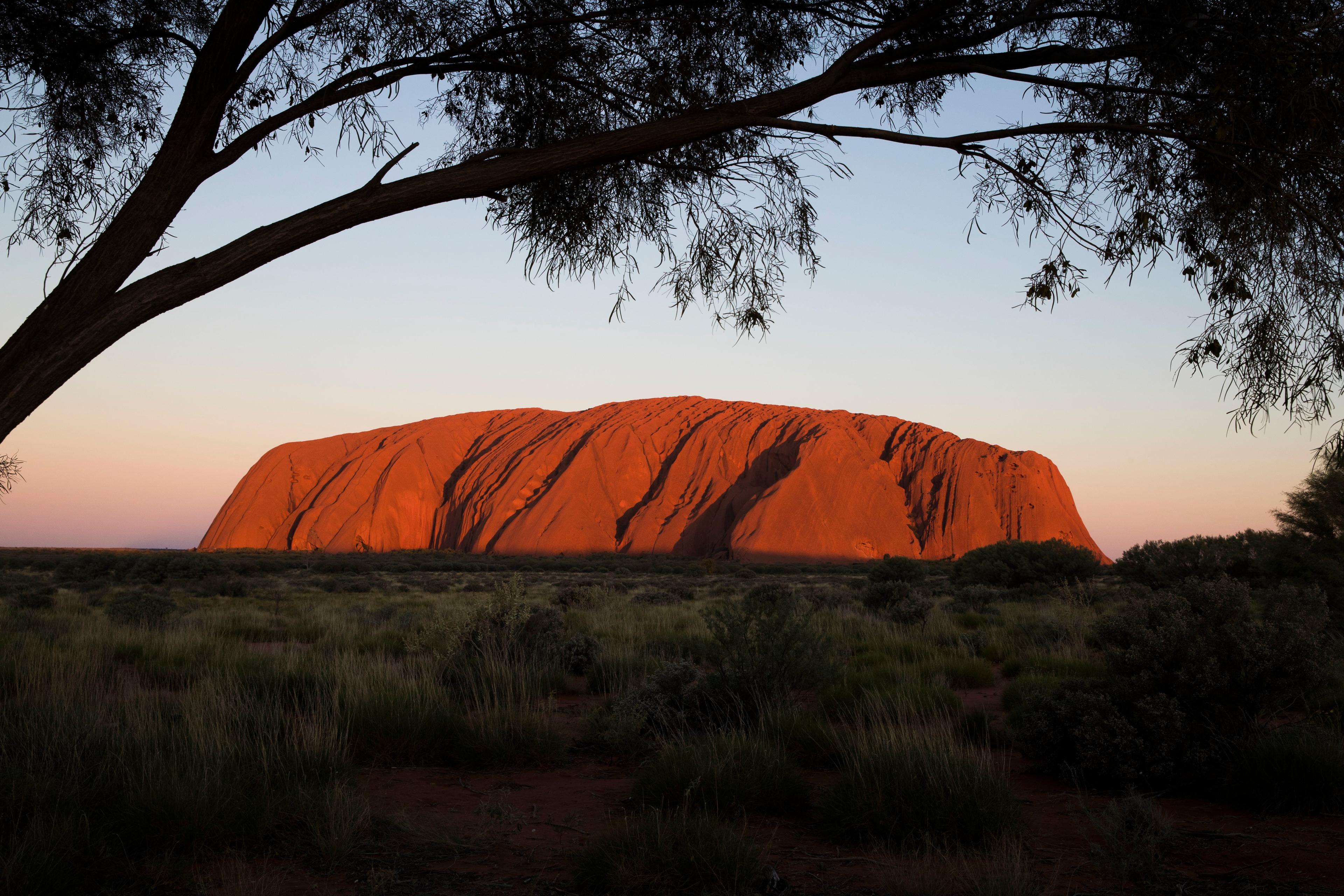
The journey from the UK is long, expensive, and tiring. But the moment you see that massive red monolith glow purple and orange at sunset, you’ll realise that 30 hours on a plane was a very small price to pay.
Ready to plan your trip? Check room availability, tours, and signature experiences to secure the dates that suit your trip. If you need any help planning your trip, please get in touch.

What to Pack for Your Australian Outback Adventure
The Outback isn’t your typical holiday destination — which means packing the right gear is essential. Here’s your ultimate guide to being Outback-ready, packed with practical advice and plenty of tips and tricks.
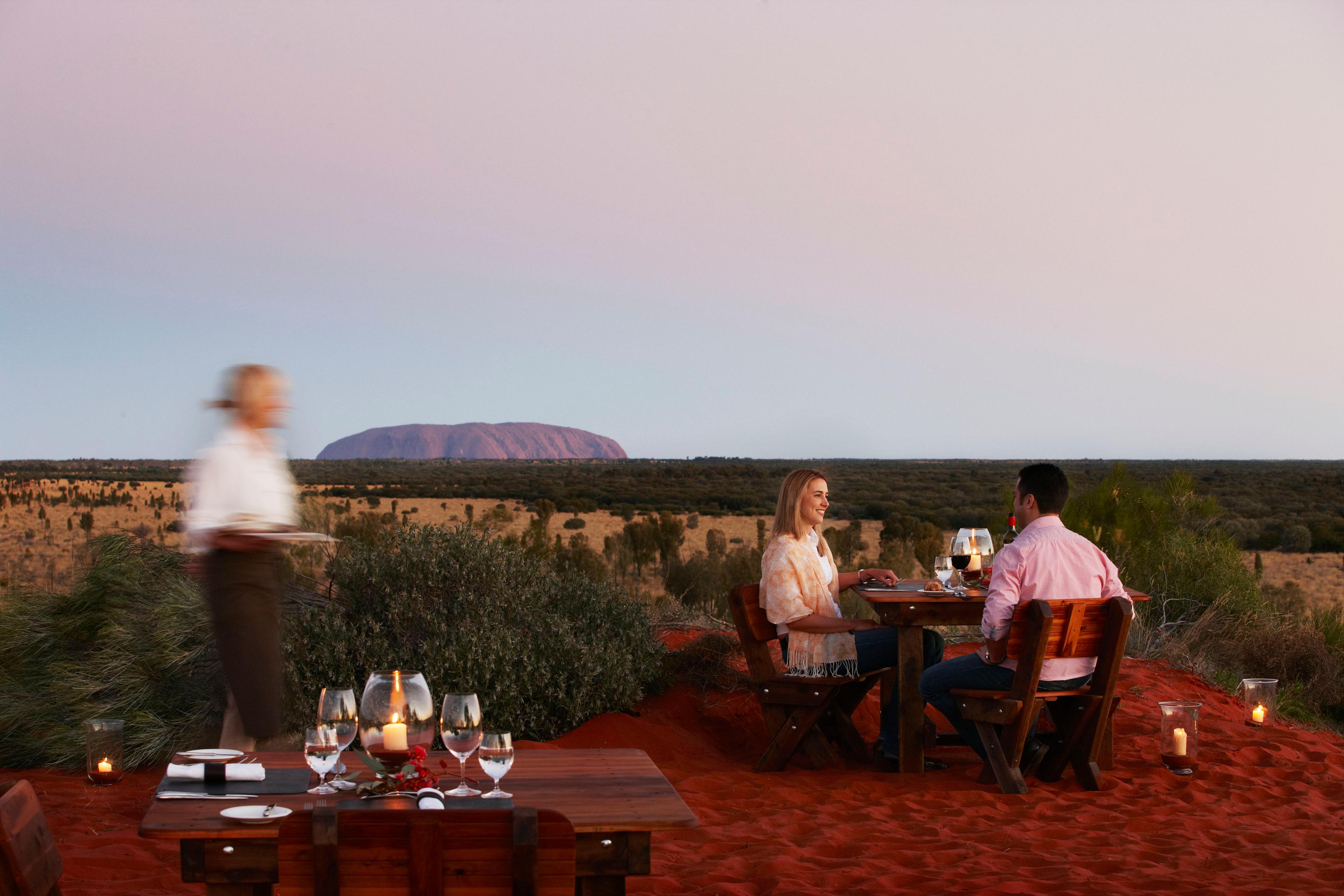
Experience Uluru Like a Local: The Ultimate Guide
Despite not being the best place to don your haute couture, don't be misled into thinking the Red Centre can't offer the best in luxury getaways.
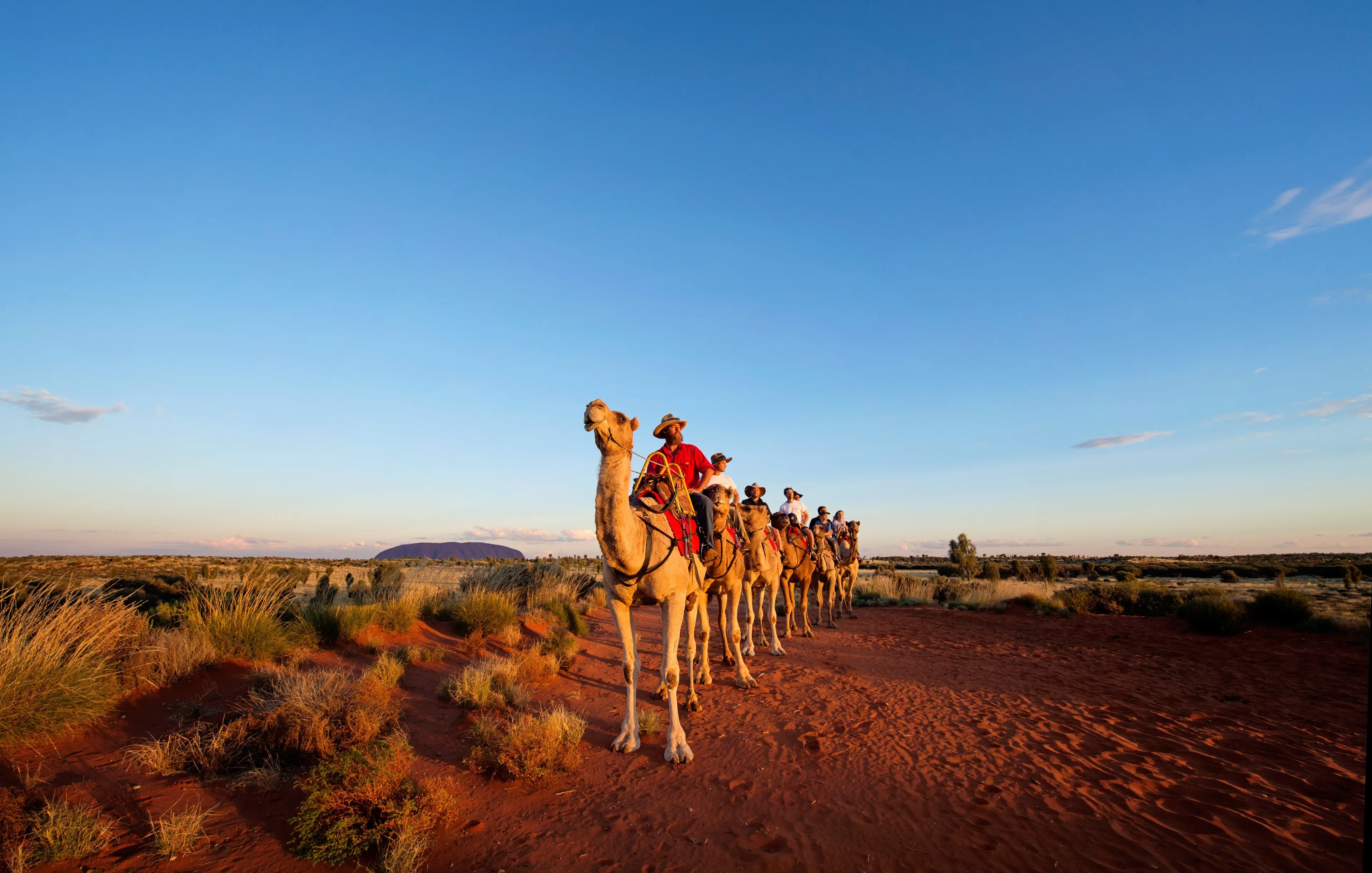
Top 10 Can't Miss Experiences In Uluru
There is so much to see and do in Uluru that it's next to impossible to see it all in one trip.
What to Pack for Your Australian Outback Adventure
The Outback isn’t your typical holiday destination — which means packing the right gear is essential. Here’s your ultimate guide to being Outback-ready, packed with practical advice and plenty of tips and tricks.
Experience Uluru Like a Local: The Ultimate Guide
Despite not being the best place to don your haute couture, don't be misled into thinking the Red Centre can't offer the best in luxury getaways.
Top 10 Can't Miss Experiences In Uluru
There is so much to see and do in Uluru that it's next to impossible to see it all in one trip.