Journey to Australia's Spiritual Heart: A Guide For Japanese Visitors
Whether you are looking to disconnect entirely, capture breathtaking landscapes, or simply experience the awe of a 500-million-year-old monolith, this guide covers everything you need to know to plan a seamless journey from Japan to Australia's spiritual heart.
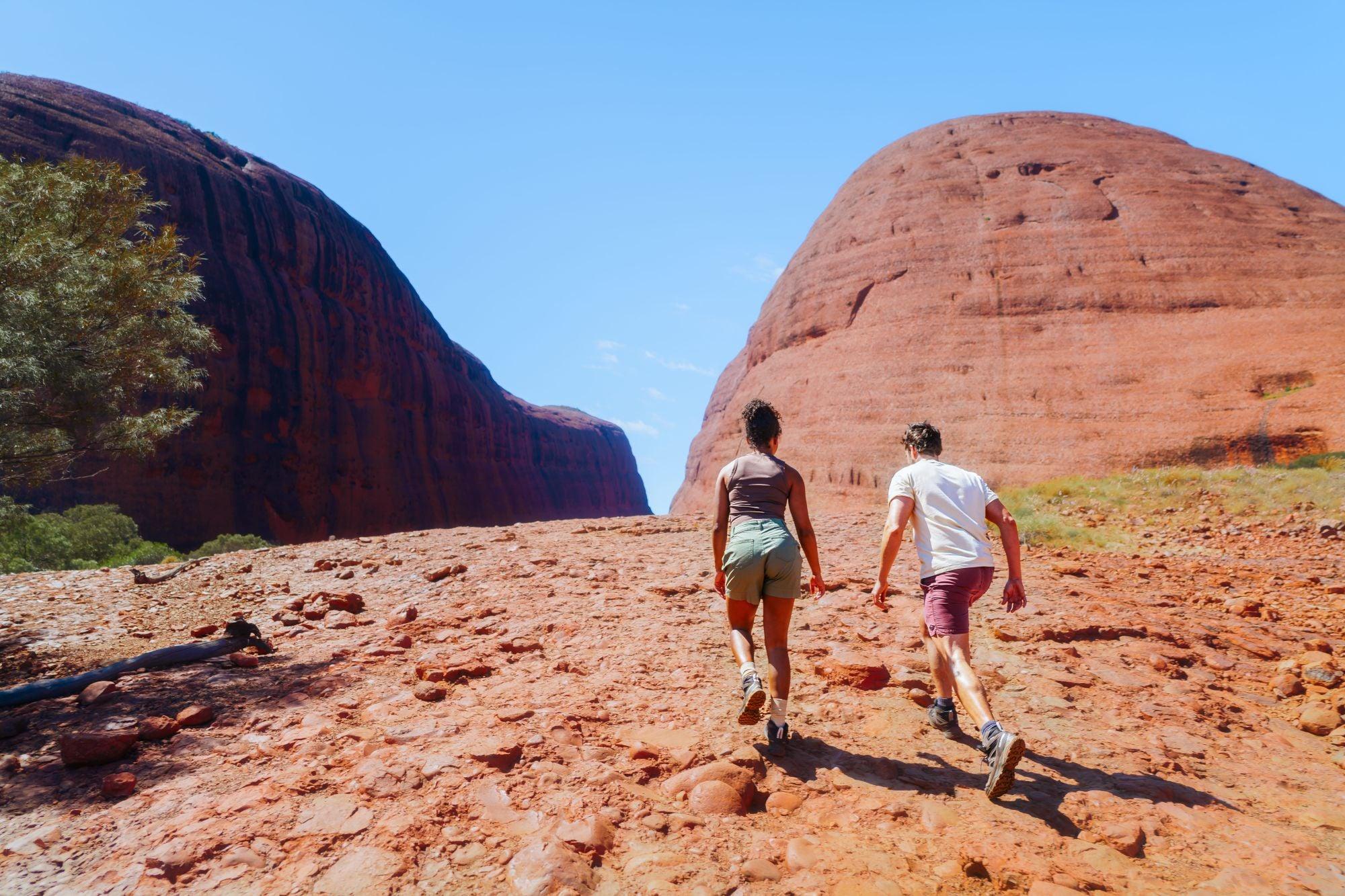
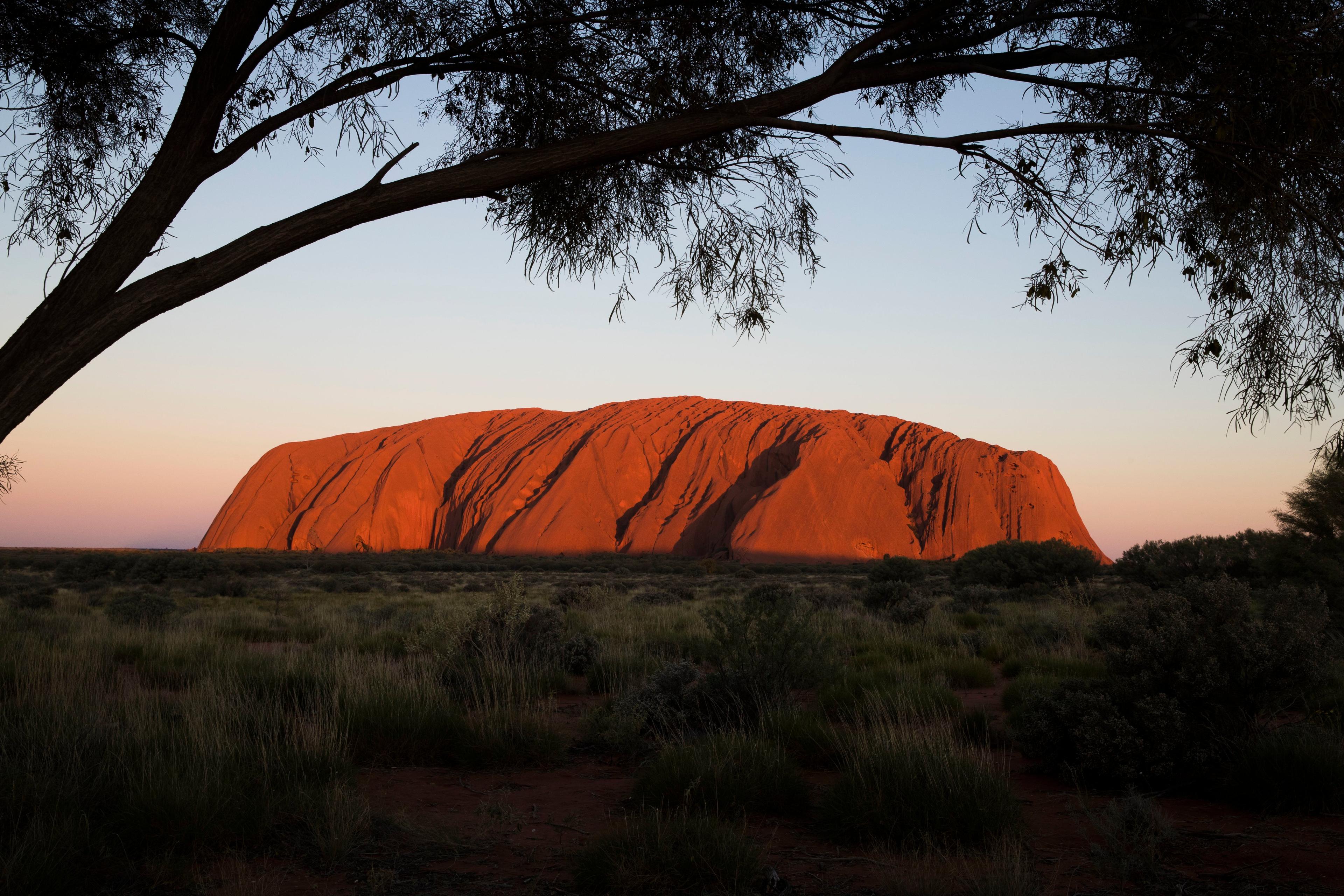
Swapping the high-speed transit and bustling, neon-lit streets of Japan for the vast, ancient stillness of the Australian Outback is a profound shift. At Uluru, the crowds melt away, replaced by sweeping red desert plains, start-drenched skies, and a silence you can actually feel.
For Japanese travellers seeking a complete departure from urban life, the Red Centre offers an unforgettable immersion into nature. Whether you are looking to disconnect entirely, capture breathtaking landscapes, or simply experience the awe of a 500-million-year-old monolith, this guide covers everything you need to know to plan a seamless journey from Japan to Australia's spiritual heart.
Getting Here: Flights from Japan to the Red Centre
While the Outback feels incredibly remote, reaching it from Japan is a straightforward, two-step journey. Your trip begins with a direct, overnight flight from major Japanese hubs like Tokyo (Narita or Haneda) or Osaka. Premium carriers like ANA, JAL and Qantas offer excellent daily connections into Australia's major East Coast gateway cities: Sydney, Melbourne, Brisbane and Cairns.
After arriving on the East Coast and clearing Australian customs, the final leg is a short domestic flight directly into the Outback. Airlines like Jetstar and Qantas operate daily domestic routes straight into Ayers Rock Airport (AYQ). The flight from main cities like Sydney or Melbourne to the desert takes roughly three hours. Once you land, the complimentary Ayers Rock Resort shuttle will be waiting outside the terminal to take you on the 10-minute drive to your hotel.

The Best Time to Visit: Escaping the Japanese Summer
Because Australia is in the Southern Hemisphere, the seasons are completely reversed. When Japan is enduring its hottest, most humid summer months, the Australian Outback is experiencing its peak winter, and is arguably the best time of year to visit.
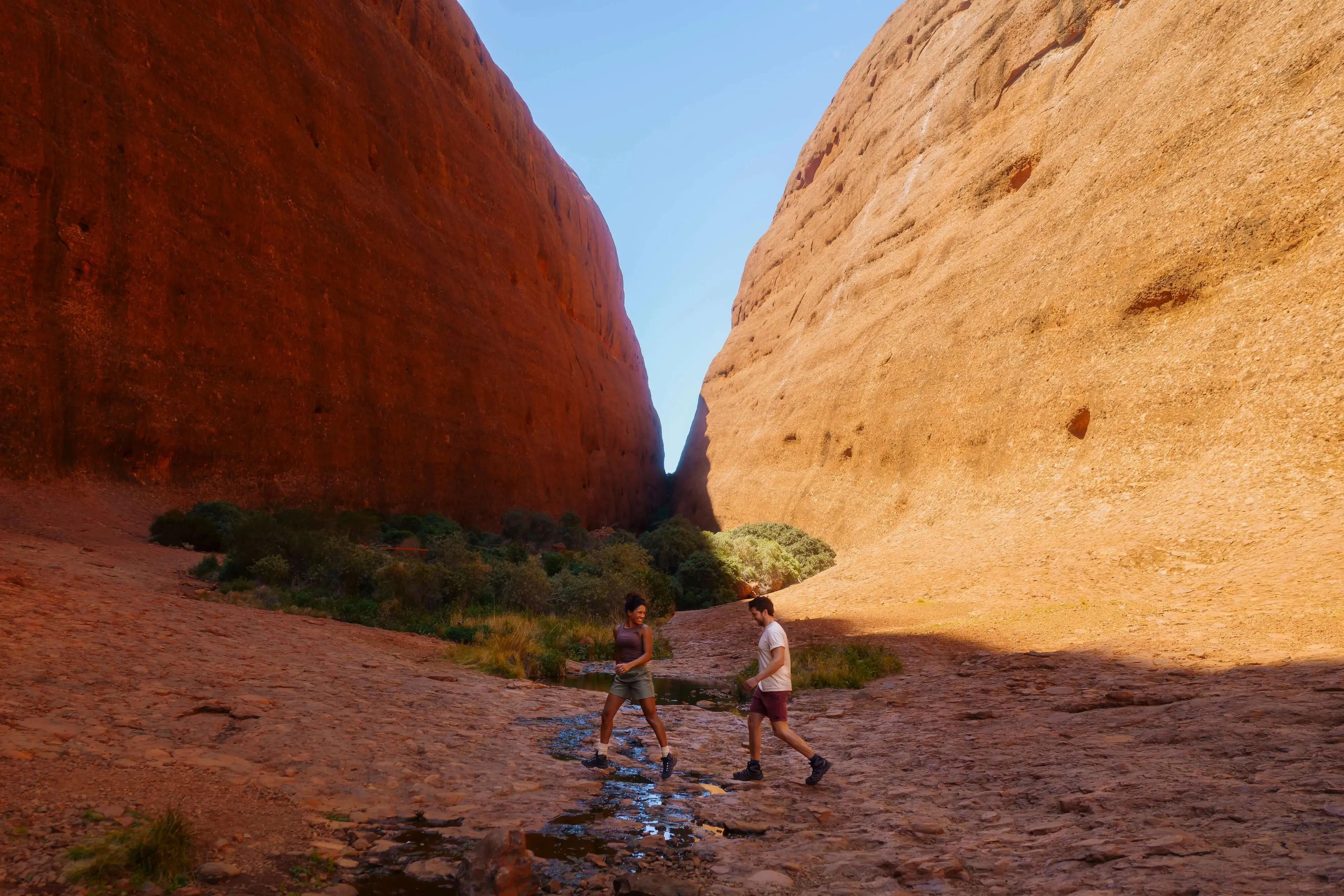
Travelling between May and September guarantees crisp, clear days with endless blue skies and comfortable daytime temperatures (typically ranging between 20°C and 25°C). It is the perfect weather for hiking through the domes of Kata Tjuta or walking the 10-kilometre base of Uluru without overheating. Be mindful, however, that desert nights in winter drop dramatically, often hovering near freezing, so packing a warm jacket for sunrise tours and evening dining experiences is essential.
Month-by-Month Temperatures & Daylight Hours at Uluru
Use this quick reference table with average temperatures and daylight hours at Uluru to help plan your visit throughout the year.
Summer (December – February)
- December: 37°C / 99°F (day), 20°C / 68°F (night) | Sunrise: ~06:05, Sunset: ~19:45
- January: 38°C / 100°F (day), 21°C / 70°F (night) | Sunrise: ~06:10, Sunset: ~20:10
- February: 36°C / 97°F (day), 20°C / 68°F (night) | Sunrise: ~06:30, Sunset: ~19:55
Autumn (March – May)
- March: 33°C / 91°F (day), 17°C / 63°F (night) | Sunrise: ~06:45, Sunset: ~19:20
- April: 28°C / 82°F (day), 13°C / 55°F (night) | Sunrise: ~06:55, Sunset: ~18:35
- May: 23°C / 73°F (day), 9°C / 48°F (night) | Sunrise: ~07:10, Sunset: ~18:05
Winter (June – August)
- June: 20°C / 68°F (day), 5°C / 41°F (night) | Sunrise: ~07:25, Sunset: ~17:55
- July: 20°C / 68°F (day), 4°C / 39°F (night) | Sunrise: ~07:30, Sunset: ~18:05
- August: 23°C / 73°F (day), 9°C / 48°F (night) | Sunrise: ~07:15, Sunset: ~18:20
Spring (September – November)
- September: 27°C / 81°F (day), 11°C / 52°F (night) | Sunrise: ~06:45, Sunset: ~18:30
- October: 31°C / 88°F (day), 15°C / 59°F (night) | Sunrise: ~06:10, Sunset: ~18:50
- November: 34°C / 93°F (day), 18°C / 64°F (night) | Sunrise: ~05:55, Sunset: ~19:10
For the most up-to-date conditions during your stay, check the 7-day forecast below.


A Highly Visual Experience
You do not need to be fluent in English to be profoundly moved by the Red Centre. While the primary spoken language at the resort is English, the most iconic experiences transcend language barriers.
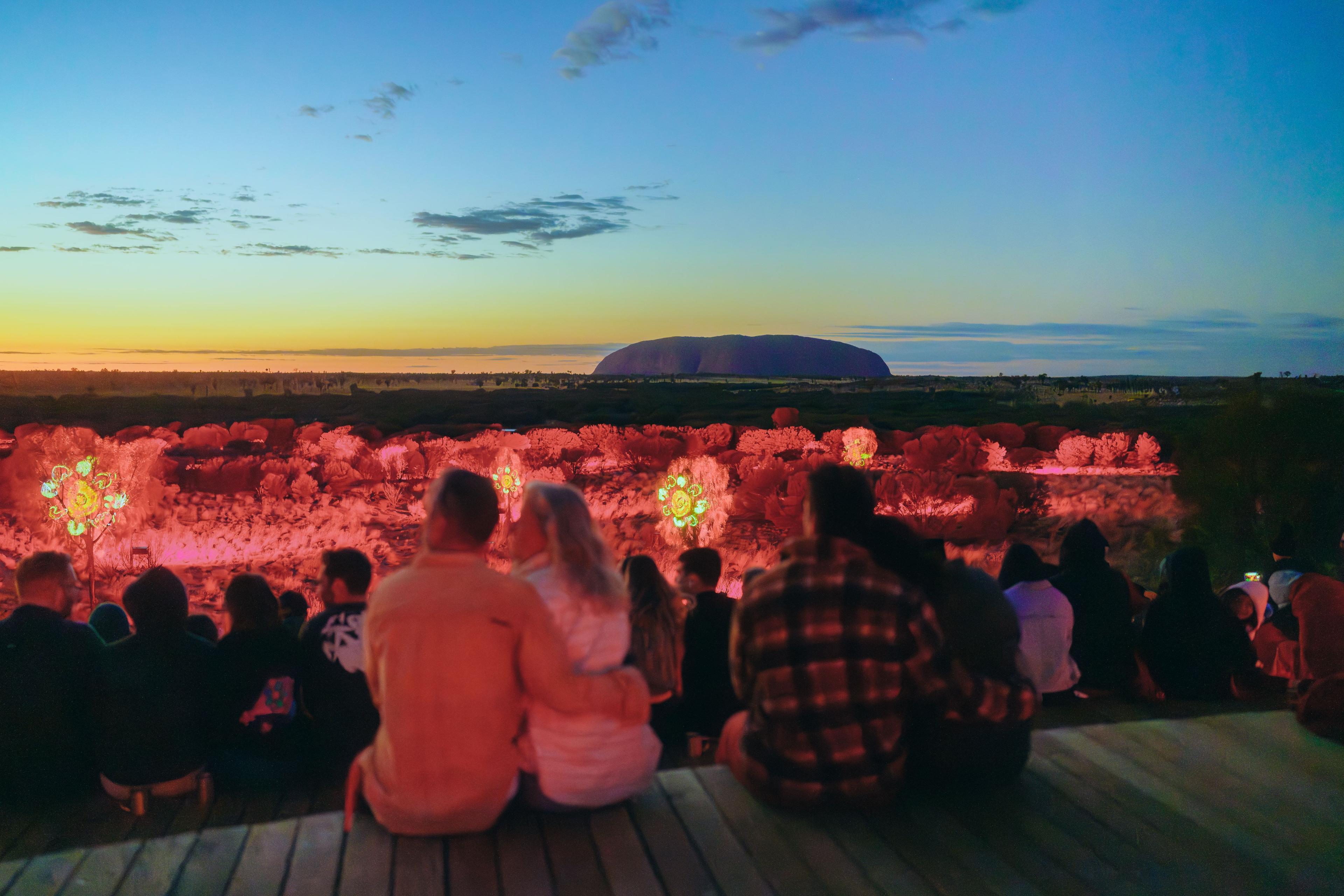
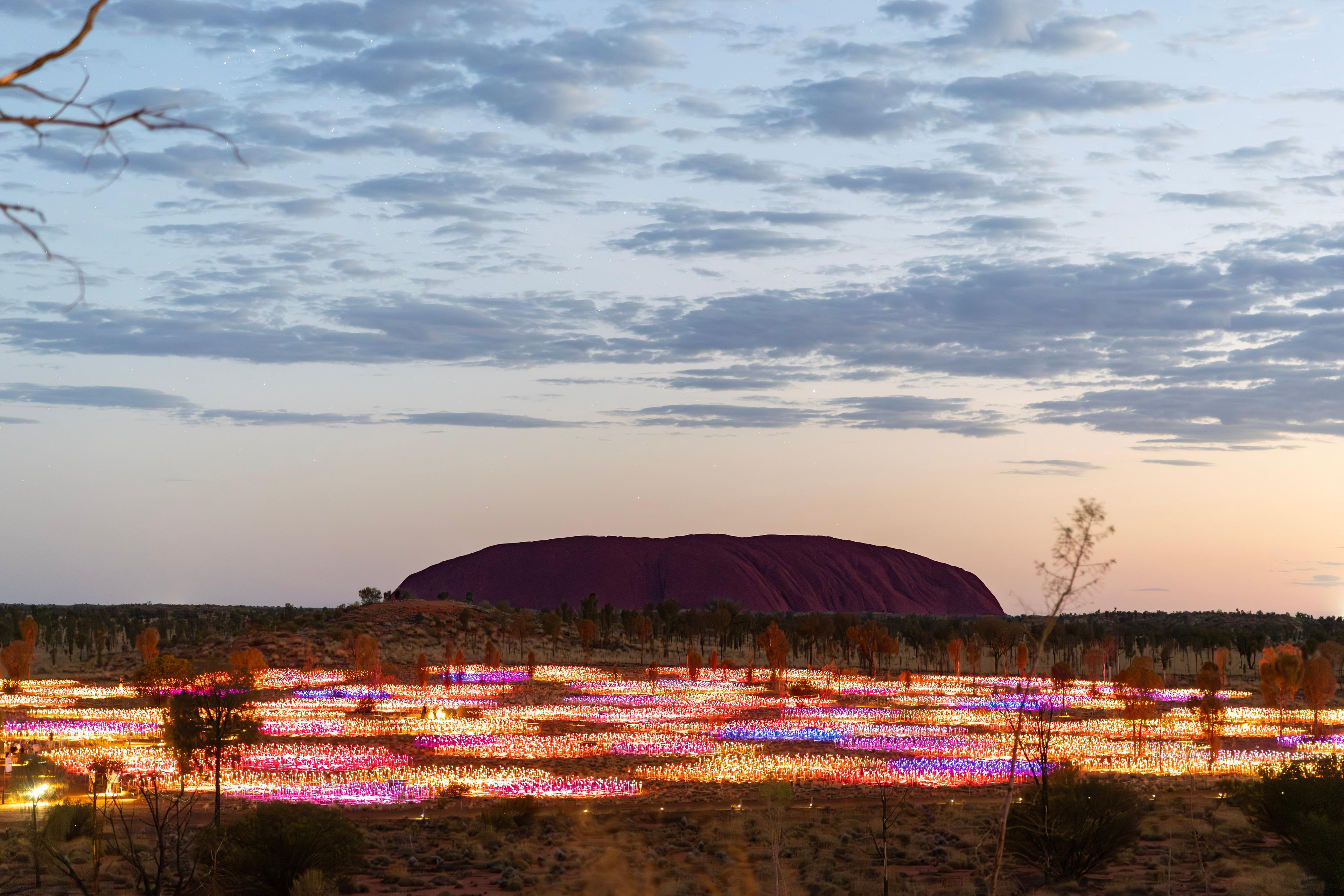
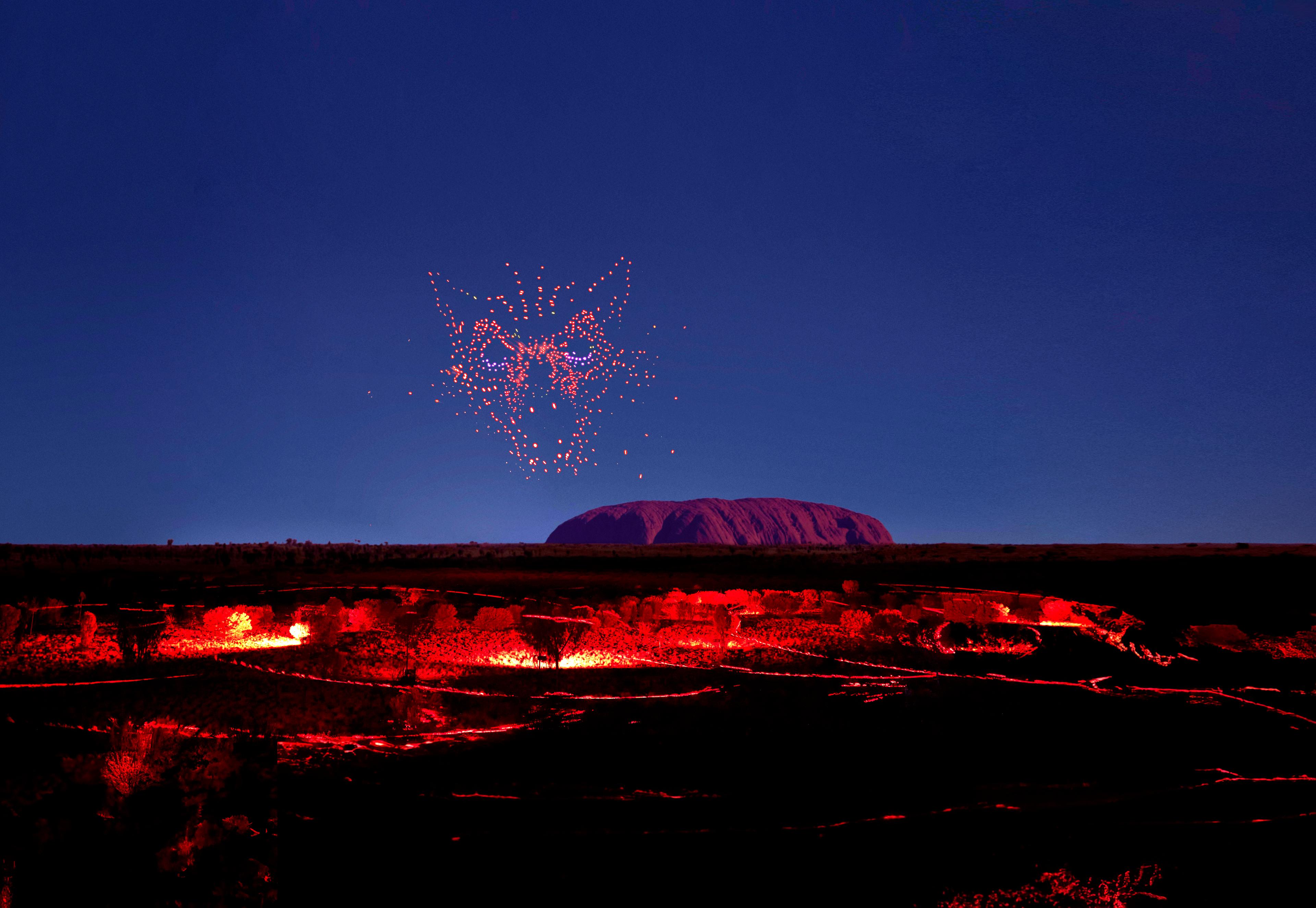
Marquee events like the Field of Light, where 50,000 glowing spheres illuminate the desert floor, is purely sensory. Watching the sun rise and dramatically shift the colours of Uluru requires no translation. Similarly, Wintjiri Wiru uses choreographed drones, lasers and traditional Inma to paint an ancient Indigenous story across the night sky. The sheer visual scale of these experiences makes them universally accessible, ensuring you can fully immerse yourself in the spirit of the Australian Outback.
A Shared Reverence for Nature and Culture
Japanese culture holds a deep, historic reverence for ancient shrines, sacred mountains, and the spiritual power of nature. This cultural mindset perfectly aligns with the Red Centre. To Anangu, the Traditional Custodians of the Land, Uluru and Kata Tjuta are not just beautiful rock formations; they are living, breathing monuments rich with Tjukurpa (traditional law and creation stories).
When you visit, you will notice certain protocols in place to protect this sacred landscape. Climbing Uluru is permanently closed, and certain sections of the rock face are marked as sensitive sites where photography is prohibited. Japanese visitors, who inherently understand the importance of preserving sacred spaces, often find a deep, respectful connection with the Indigenous custodians' desire to protect their ancient home.


Where to Stay: The Yulara Hub
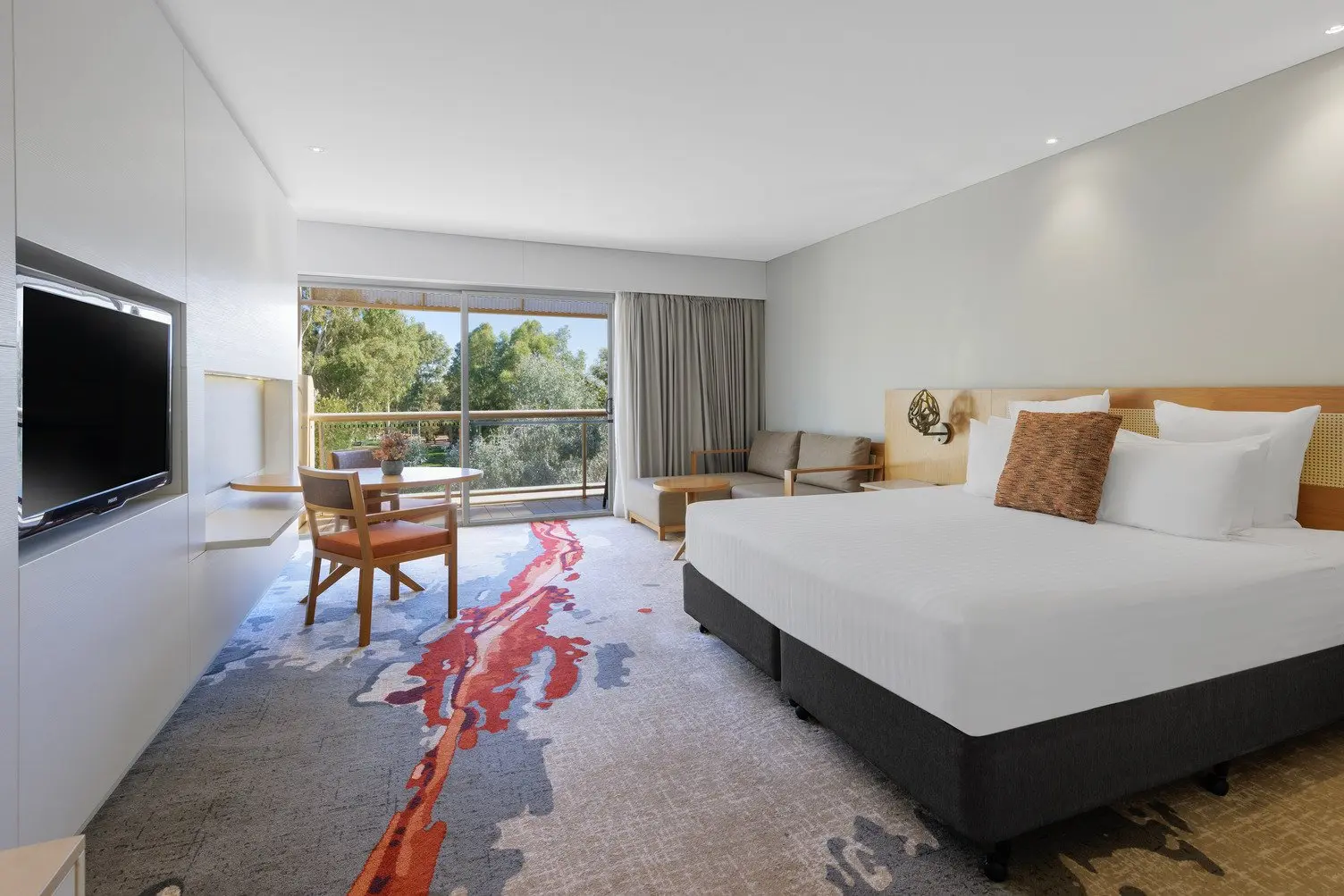
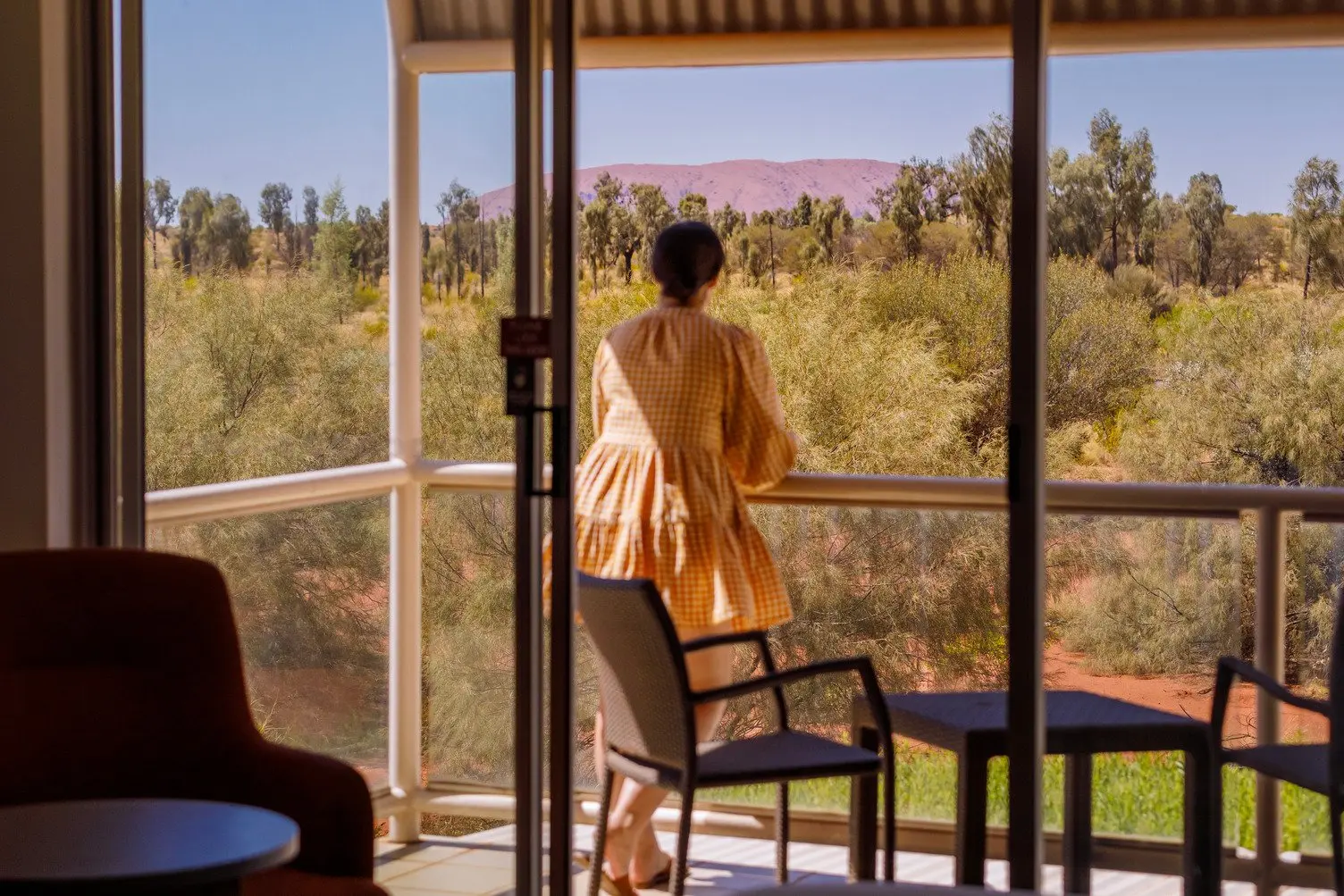
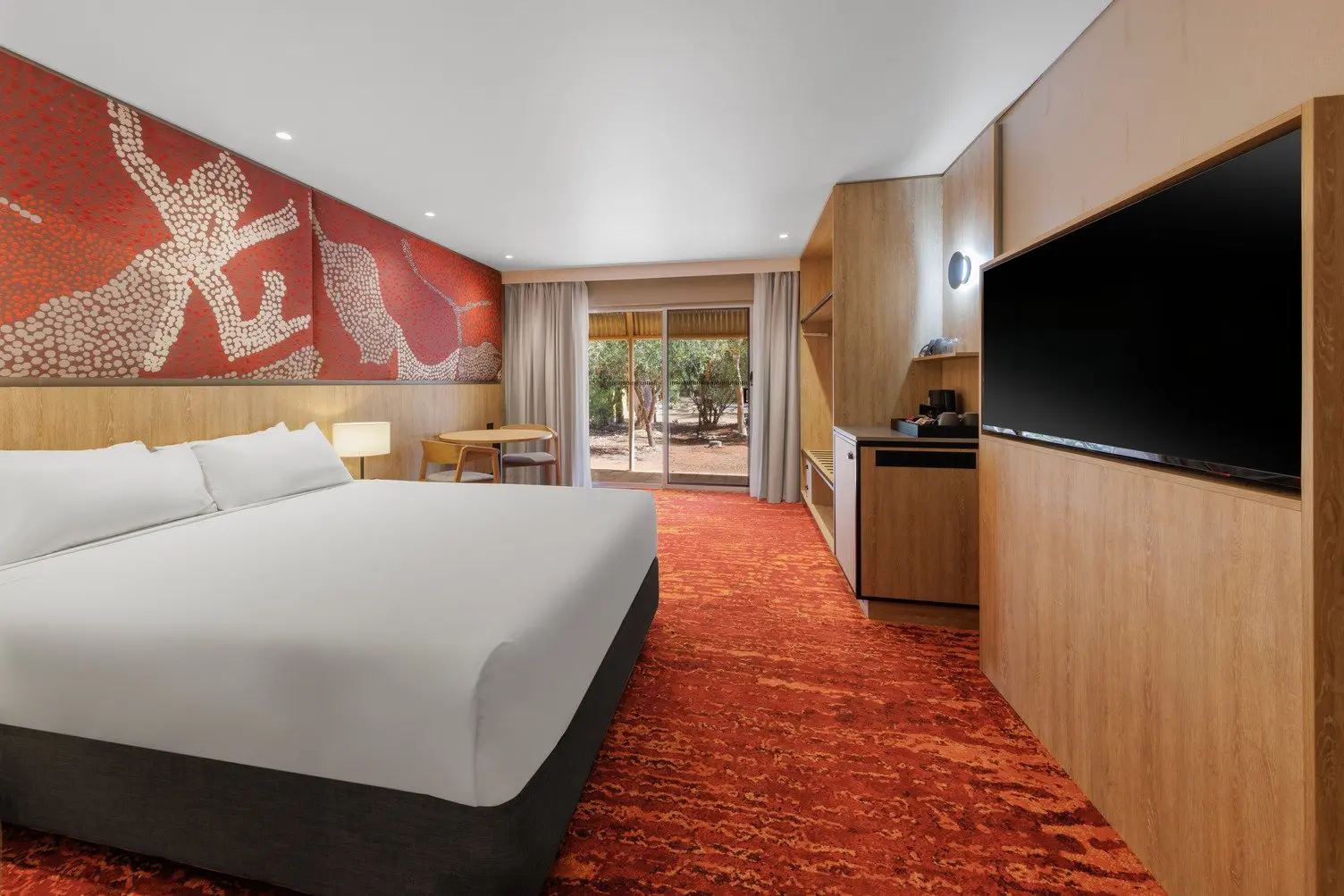
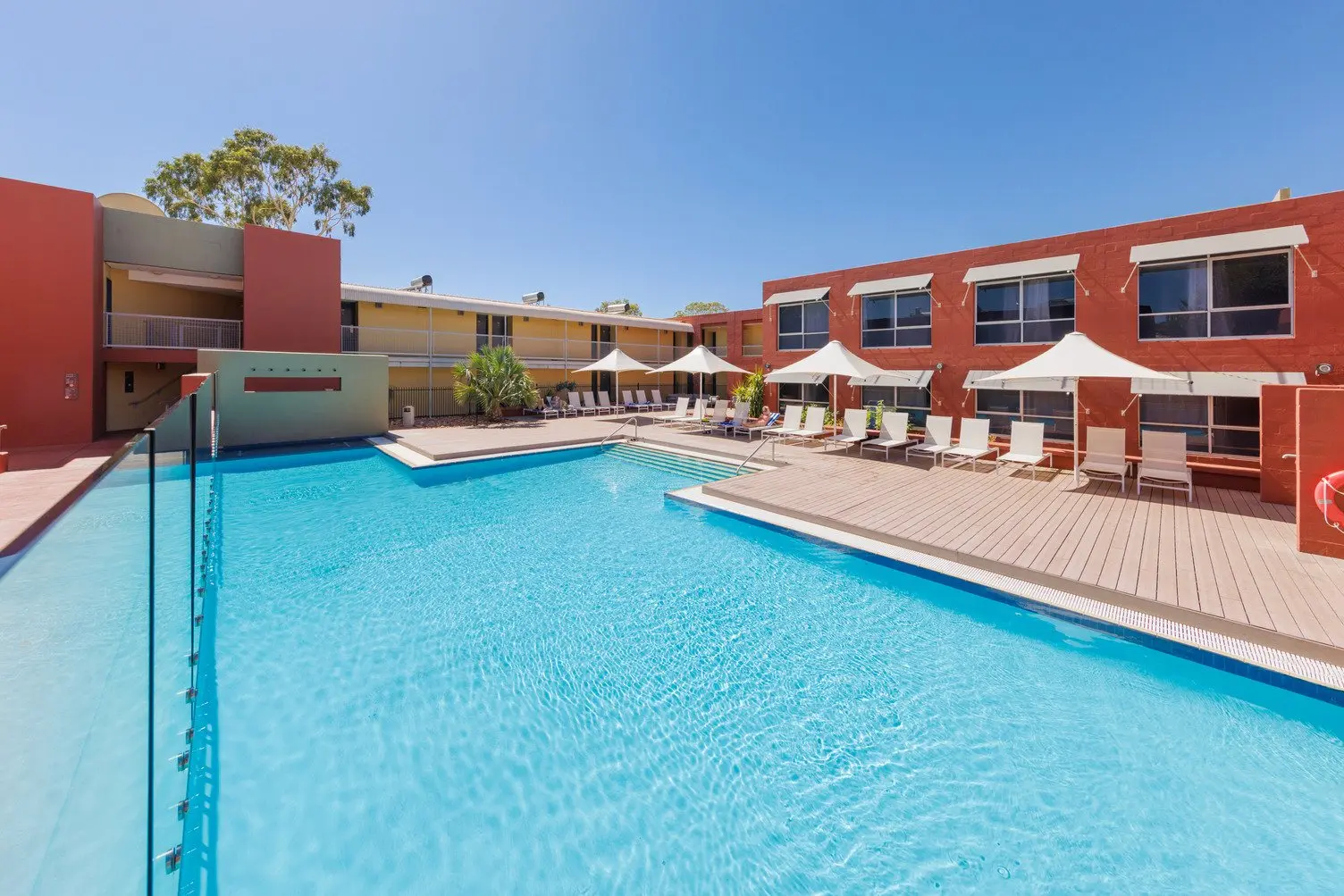
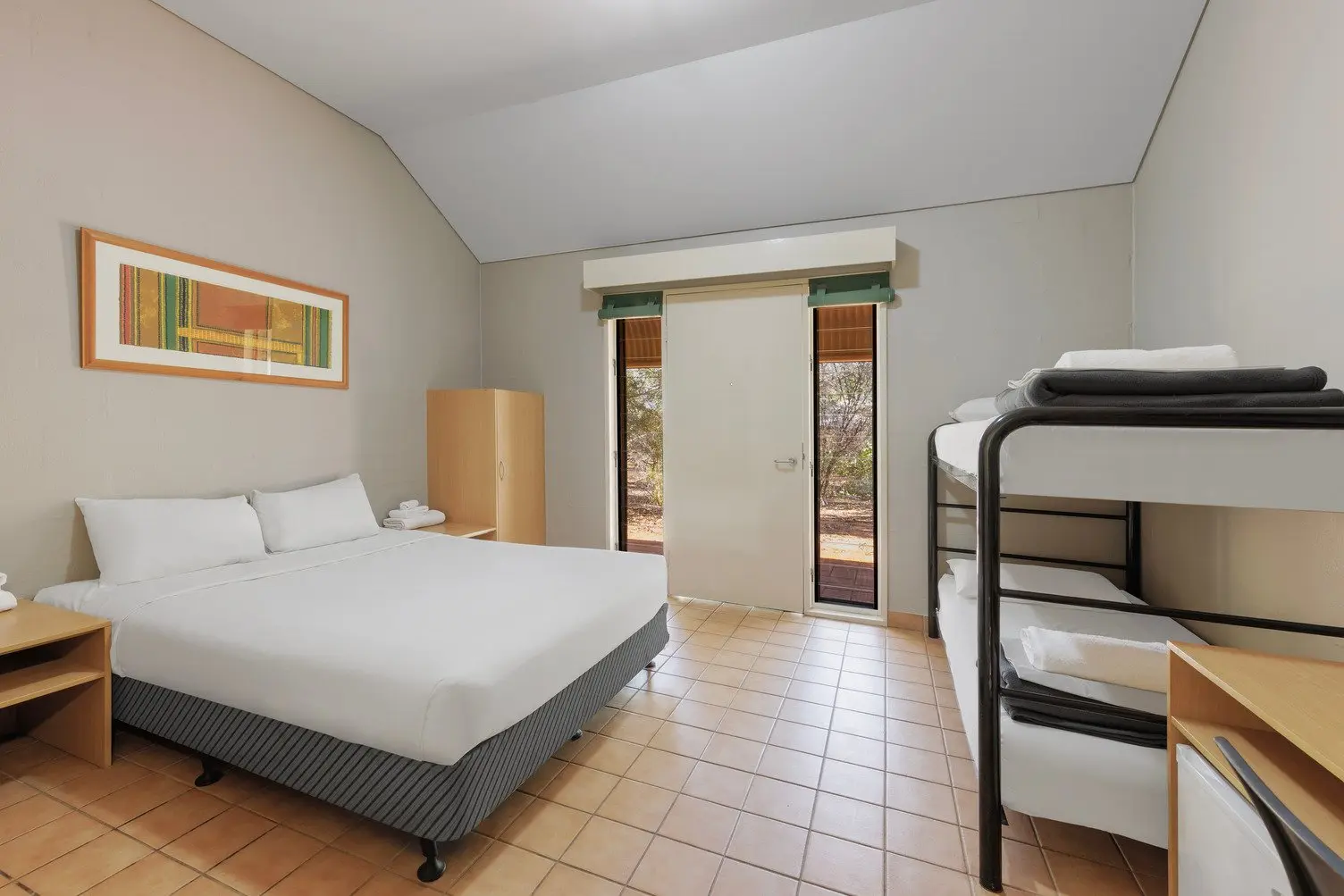
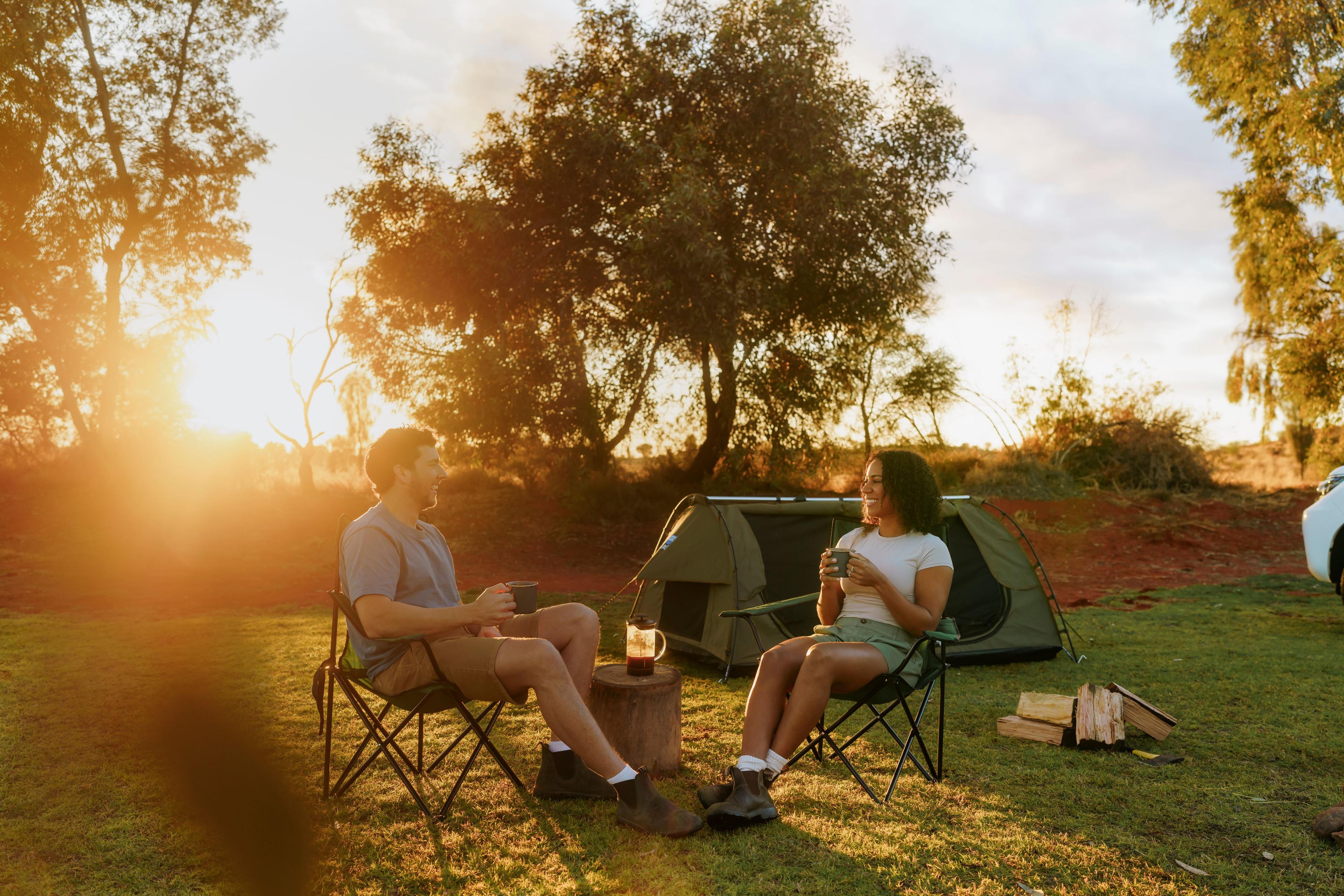
All visitors stay in Ayers Rock Resort (Yulara), which is located about 20 minutes from the rock itself. Here is the full line-up of where you can rest your head, all of which share access to the resort's free shuttle bus, a handy supermarket, and daily cultural activities.
Wherever you stay, you'll have access to services including free guest activities, tour pick-ups from your accommodation, shops and cafes in Town Square, and complimentary shuttle bus transport around Yulara.

The Must-Do Itineraries in Uluru
Make the most of four days with this suggested itinerary.
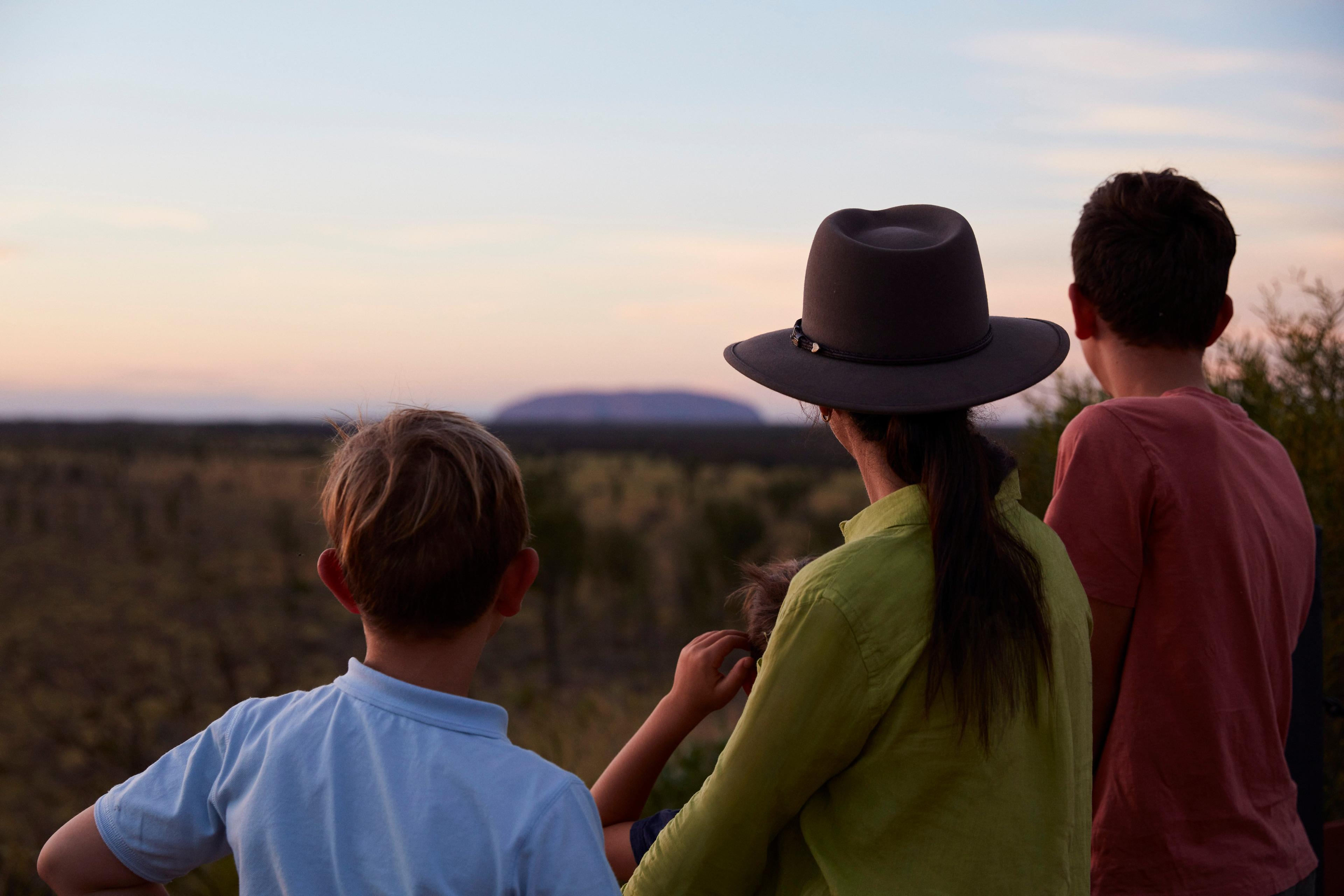

Essential Travel Logistics for Visitors from Japan
Visas and Entry
Japanese passport holders travelling to Australia must secure an Electronic Travel Authority (ETA - Subclass 601). Approvals are often quick, but it is usually recommended that you get this before booking flights.
Power and Devices
Australia operates on a 230V electrical system using a Type 1 plug (three angled pins). This is significantly different from Japan's 100V system and Type A/B flat-pin plugs. While most modern phone and laptop chargers are dual-voltage and only require a simple plug adapter, check the labels on specific Japanese electronics like hair straighteners or cameras. If they are not rated up to 240V, plugging them in without a step-down voltage converter will damage them.
Park Access
To enter the World Heritage Uluru-Kata Tjuta National Park, every visitor needs a park pass. A standard adult pass costs $38 AUD (as of 2026) and grants you access for three consecutive days, while children under 18 enter for free. It is highly recommended to purchase the park pass online before you arrive so you can scan the QR code straight from your phone at the boom gates.
Health and Safety
The Outback is an extreme environment. The sun is intensely strong, even in winter, so packing SPF 50+ sunscreen, a wide-brimmed hat, and carrying at least a 1-litre water bottle is mandatory for all guided walks. You should also pack a lightweight fly net to wear over your hat. During warmer months, the native Outback flies can be highly persistent, and a fly net is the easiest way to explore in comfort.
Car Hire
If you choose to hire a car at Ayers Rock Airport rather than taking the resort shuttle, you will find driving in the Red Centre surprisingly familiar. Like Japan, Australia drives on the left hand side of the road, and the steering wheel is on the right. The roads within the resort and out to the national park are fully sealed, wide, and well-maintained, making self-driving a highly accessible option for Japanese visitors.
Check Your Currency
Understanding the currency exchange rate will help you plan and budget for your trip. Use the exchange tool below to see how your Japanese Yen exchange to Australian Dollars.
Frequently Asked Questions

Why the Journey is Worth It
Uluru offers Japanese travellers a chance to experience a completely different side of Australia. Leave the crowds and bright city lights behind and discover expansive desert landscapes, ancient Indigenous culture and unforgettable experiences under some of the world’s clearest skies.
Whether you’re watching Uluru glow at sunrise, exploring Kata Tjuta up close, or experiencing the Field of Light or Wintjiri Wiru, the memories you make in the Red Centre will stay with you long after you return home.
Ready to plan your journey? Browse accommodation, tours and experiences and secure your preferred dates. If you need any help planning your visit, please get in touch.

What to Pack for Your Australian Outback Adventure
The Outback isn’t your typical holiday destination — which means packing the right gear is essential. Here’s your ultimate guide to being Outback-ready, packed with practical advice and plenty of tips and tricks.
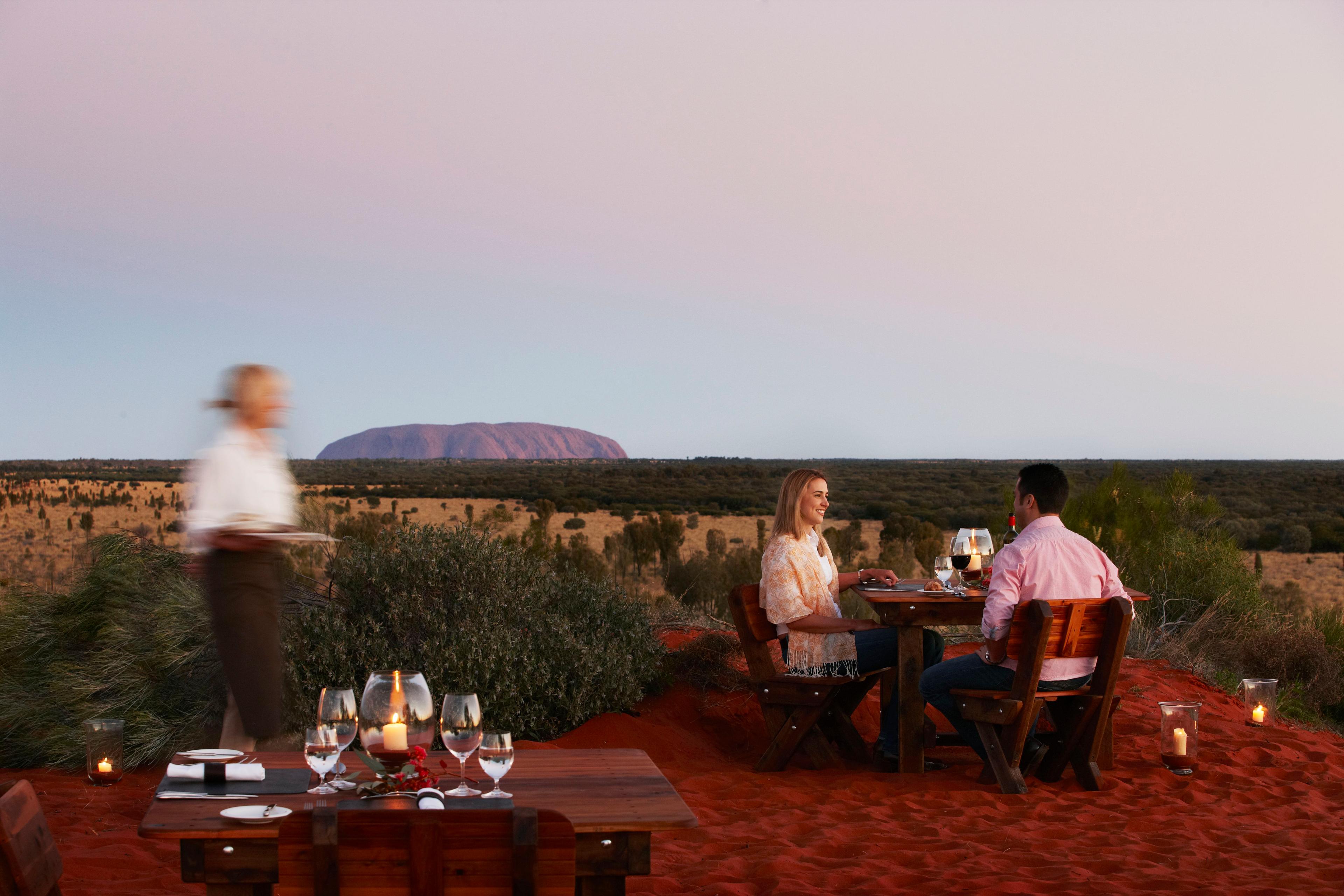
Experience Uluru Like a Local: The Ultimate Guide
Despite not being the best place to don your haute couture, don't be misled into thinking the Red Centre can't offer the best in luxury getaways.
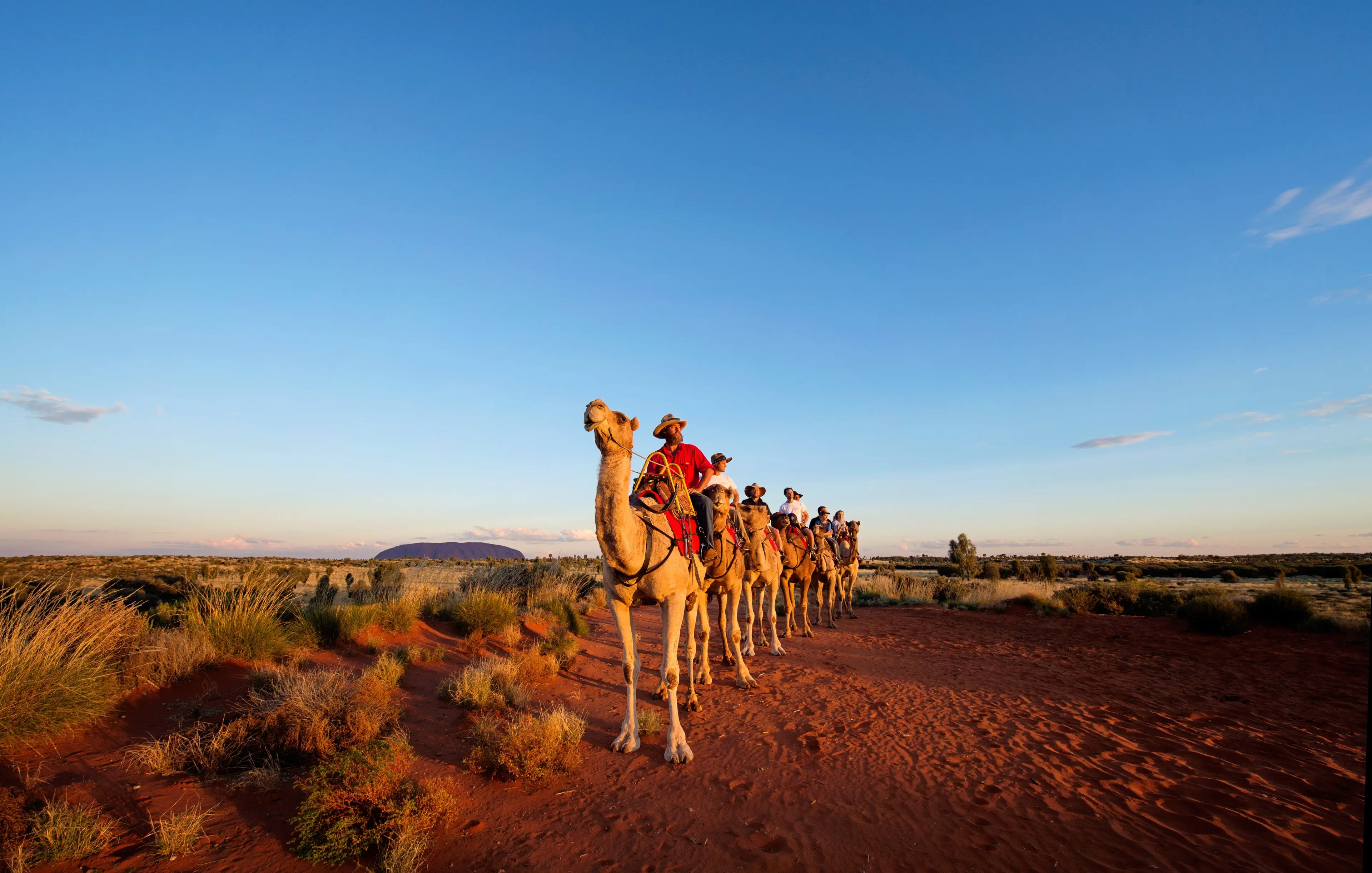
Top 10 Can't Miss Experiences In Uluru
There is so much to see and do in Uluru that it's next to impossible to see it all in one trip.
What to Pack for Your Australian Outback Adventure
The Outback isn’t your typical holiday destination — which means packing the right gear is essential. Here’s your ultimate guide to being Outback-ready, packed with practical advice and plenty of tips and tricks.
Experience Uluru Like a Local: The Ultimate Guide
Despite not being the best place to don your haute couture, don't be misled into thinking the Red Centre can't offer the best in luxury getaways.
Top 10 Can't Miss Experiences In Uluru
There is so much to see and do in Uluru that it's next to impossible to see it all in one trip.